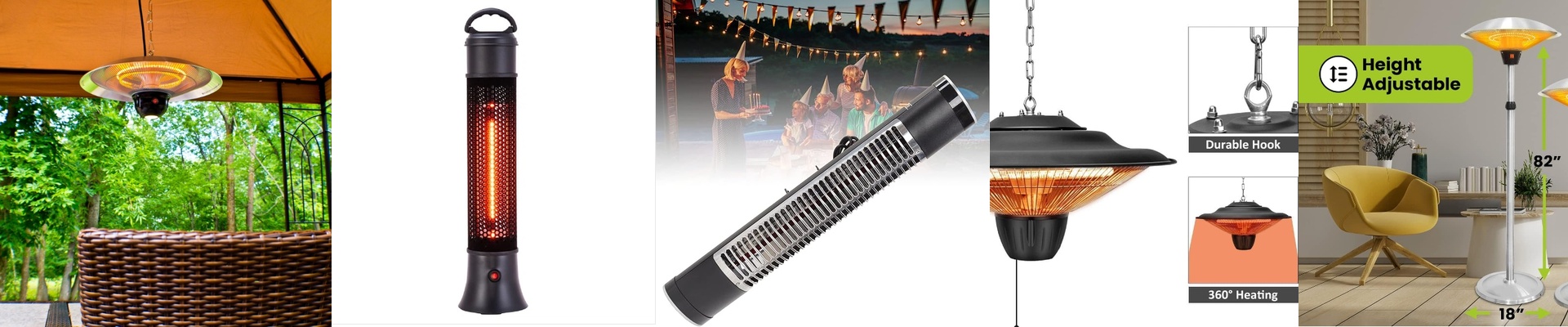
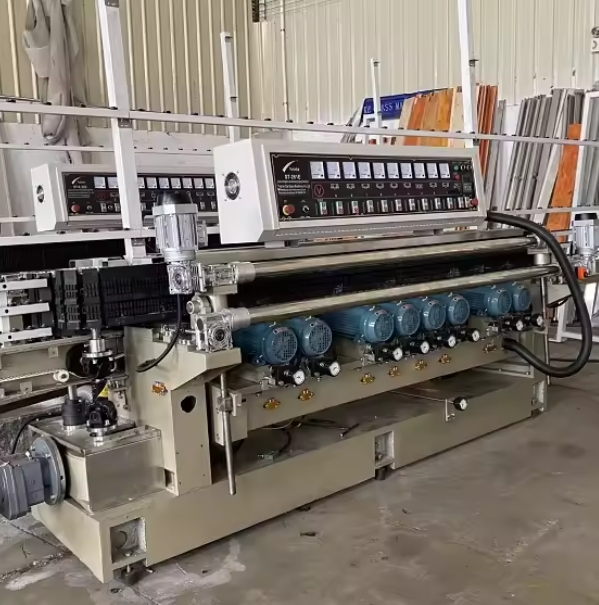
On the bending line, the oven hits temperature, the glass rolls in, and the clock starts ticking. If lamp output drifts or the heat isn’t even, your bend radius drifts right along with it. That means rework, scrap, and the headache of shutting the line down. A precision glass bending lamp isn’t just another upgrade. It’s the thermal anchor that makes geometry repeatable. What matters under the hood We built this lamp around a quartz envelope and a tuned medium-wave profile, so the energy goes straight into the glass instead of wasting itself heating air. You get fast response, tight temperature control, and a stable thermal field across the bend zone. The specs are chosen for the shop floor: high power density in a compact footprint, standard voltage options, and terminals and connectors that survive repeated thermal cycling. The lamp holds output steady over long runs, so your setpoints don’t wander. Why it plays in bending In bending, uniform heating is the only way to keep thermal stress and edge wave from creeping in. With this lamp, you can cut the heating window and still hit target temperature, which pushes throughput up. Energy use drops because you spend less time at full power and less time idling. Yield improves because the thermal field repeats, piece after piece. Maintenance costs fall because the lamp runs longer between replacements, and when service is needed, the design lets you swap it fast without tearing out the whole module. Things to keep straight This lamp is engineered for glass bending equipment, and it performs best when it’s matched to the reflector geometry and the airflow around the zone. Check mounting clearances and power connections before installation, and make sure your control strategy can keep up with the fast response. Treat the lamp as a precision component, not a heat source you can hammer. Keep it within rated parameters, and you’ll get stable heat, lower kWh, and fewer line stoppages.