Introduction
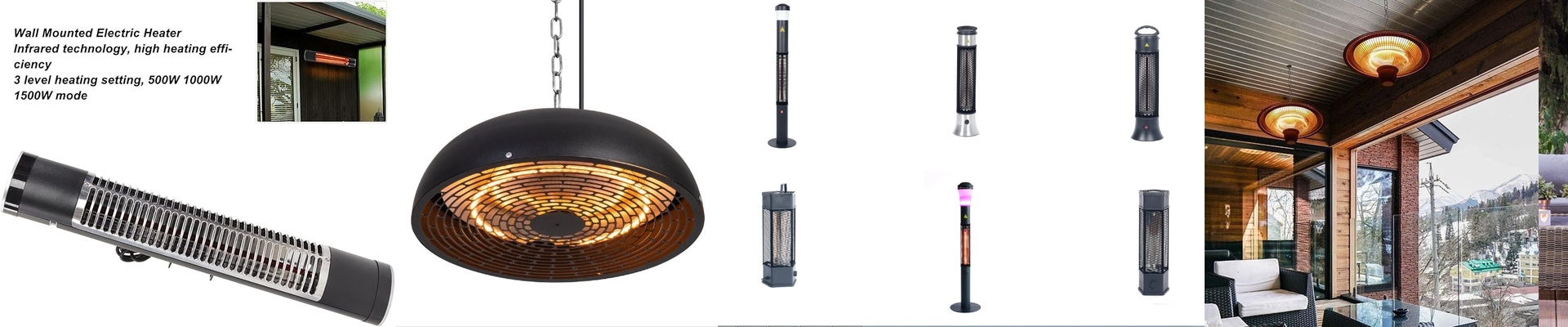
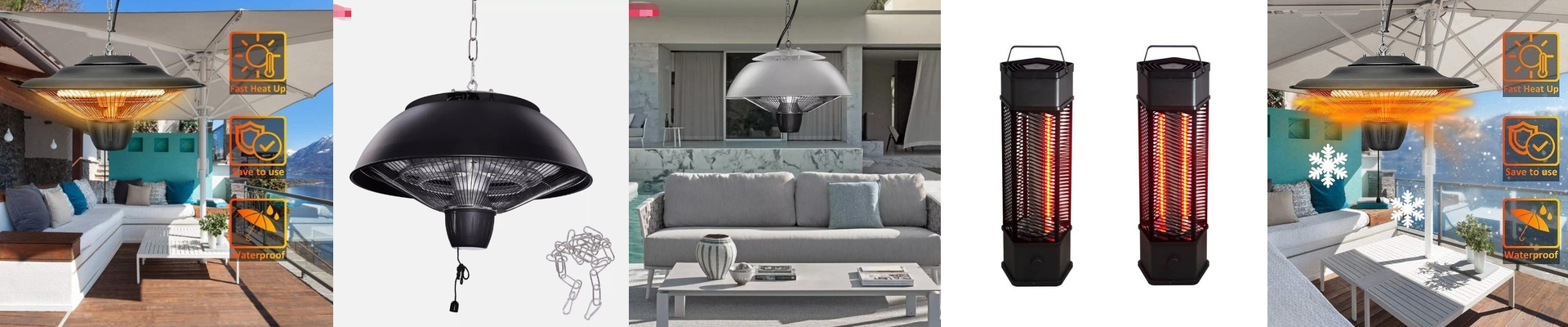
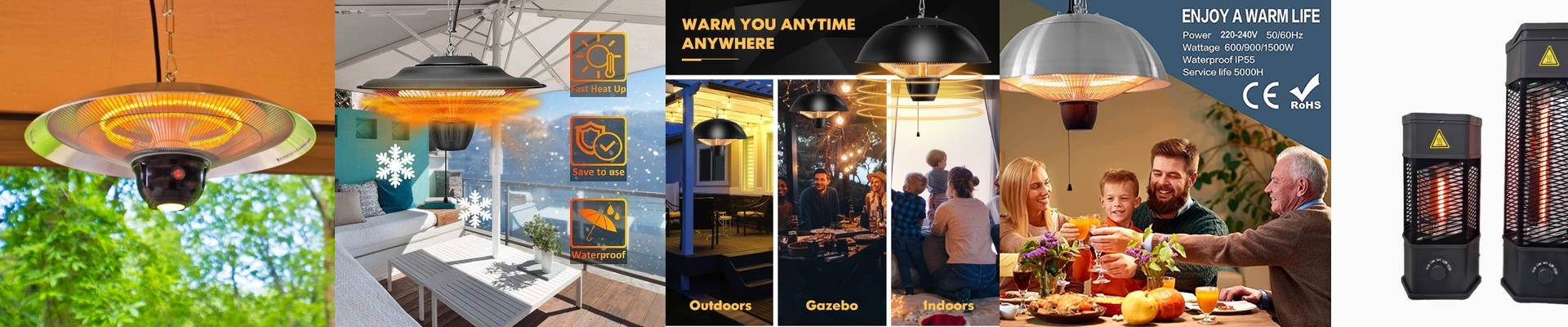
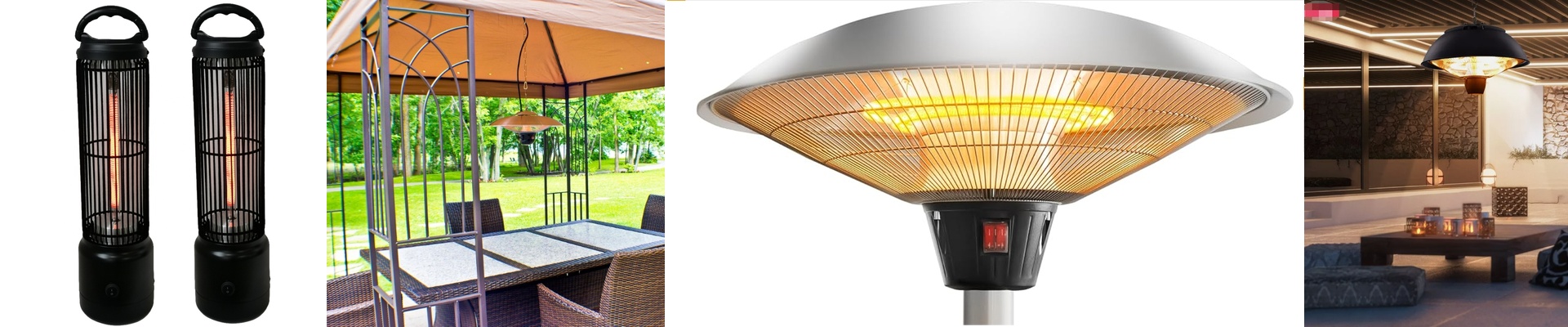
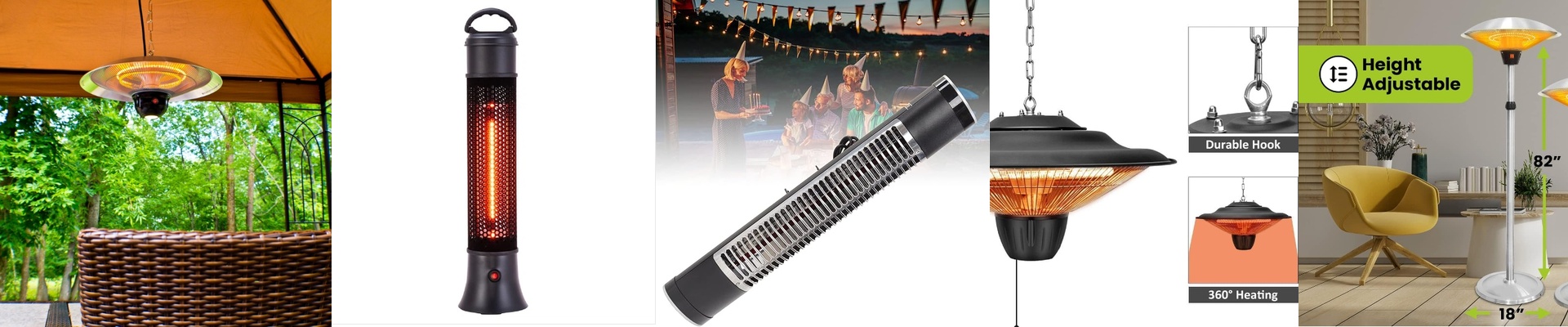
Here’s the thing about staying warm outside: you want the heat to hit you, not the air around you. That’s why we built our standing patio heaters around high-output quartz halogen lamps. They get hot, fast, and send that warmth right where you need it—straight to you and your surfaces. The heart of the whole setup is the heating element. It’s a compact tube, engineered to run at serious wattage, and it plugs in cleanly thanks to an R7s connector. So if you’re working with a standard standing heater, this drops right in. No fuss.
Technical Deep-Dive
We match the lamp’s electrical specs to what the heater actually needs to deliver. For example, a 2500W rating at 230V–240V (or 400V where it’s called for) gives you a ton of heat per inch of tube. That’s exactly what you need to send warmth across several meters. And the length? We keep it tight—just 300mm. That gives you enough radiating surface to spread the heat load, but without needing a giant enclosure. The result is a seriously dense heat source that fits neatly into a standing unit.
Material & Design
We chose a quartz envelope because it can handle the shock of heating up quickly, and it runs hotter than glass without softening. Inside, the halogen fill does a neat trick: it puts evaporated tungsten back onto the filament. That keeps the lamp clear and the output steady over its whole life. The R7s base is just practical. It gives you a solid, double-ended connection—both mechanical and electrical—that’s common in outdoor and industrial fixtures. So you can wire it up fast, and it stays stable even when things get shaky or the temperature swings.
Application & Benefits
In a standing patio heater, all of this means you get warmth almost instantly. It’s direct radiant heat, so you feel it where you stand, not wasted on heating empty air. And because the tube is compact and the connector is standard, swapping it out or servicing it is straightforward. Just keep one thing in mind: that high wattage density needs room to breathe. Make sure the housing has enough clearance and proper ventilation. If the enclosure is too cramped, things run hotter, and that shortens the life of the components.