



Why Your Bathroom Heater Keeps Dying (and How to Fix It)
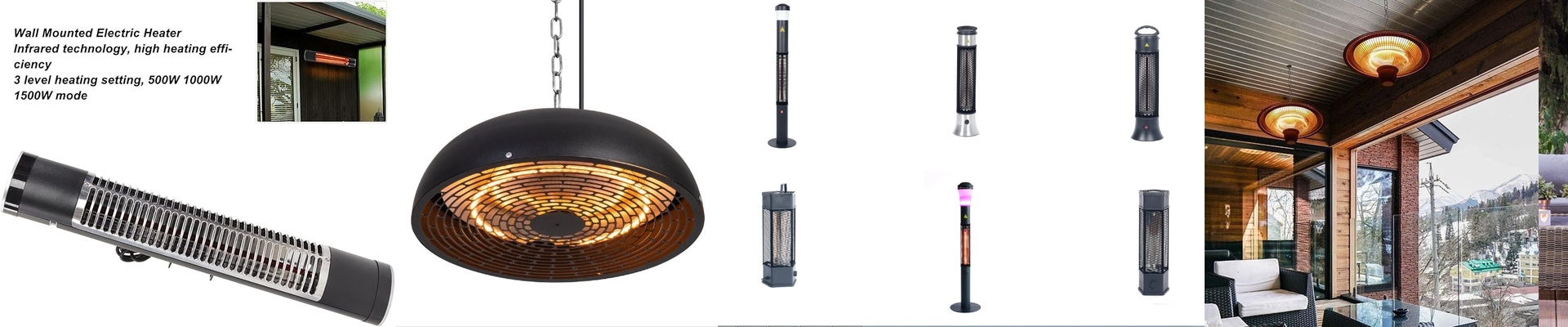
If you’ve ever used those old-school halogen “lamp” heaters in a bathroom, you know the drill. One cold drop of water hits that scorching hot bulb, and snap—it’s gone. They just aren’t built for the reality of a steamy shower. That’s why we’ve started moving toward IP55-rated infrared heaters. They’re more like the heaters you’d see on a patio, but tweaked for indoors. They actually handle the moisture without giving up the ghost. The deal with “IP55” You don’t need to be an engineer to get this, but basically, IP55 means the unit is sealed tight against dust and splashes. Think about your bathroom. You’ve got thick steam and the occasional direct spray. Cheap heaters usually leak at the seals, which leads to nasty corrosion or, worse, a short circuit. We use heavy-duty gaskets and moisture-resistant housing to keep the water far away from the electrical guts. It stops that annoying cycle of buying a new heater every year. Warmth you can actually feel Here is the cool part: infrared doesn’t bother trying to warm up the air. In a bathroom, that’s a huge win. Usually, your expensive heat just gets sucked right out by the ventilation fan or disappears under the door. Infrared is different. It sends out waves that heat you and the surfaces around you. The second you step out of the shower, you feel it. Immediate warmth. No shivering while you hunt for a towel. A quick heads-up on the install Now, there is one catch. You can’t just plug these into any old outlet. Because they generate that instant, intense heat, they pull more power. You’ll need a dedicated circuit and a bit of help from an electrician to make sure your wiring and breaker can handle the load. If you’re tired of your heater burning out every single winter, this is the way to go. As long as your wiring is up to snuff, it’s a simple swap that actually lasts.