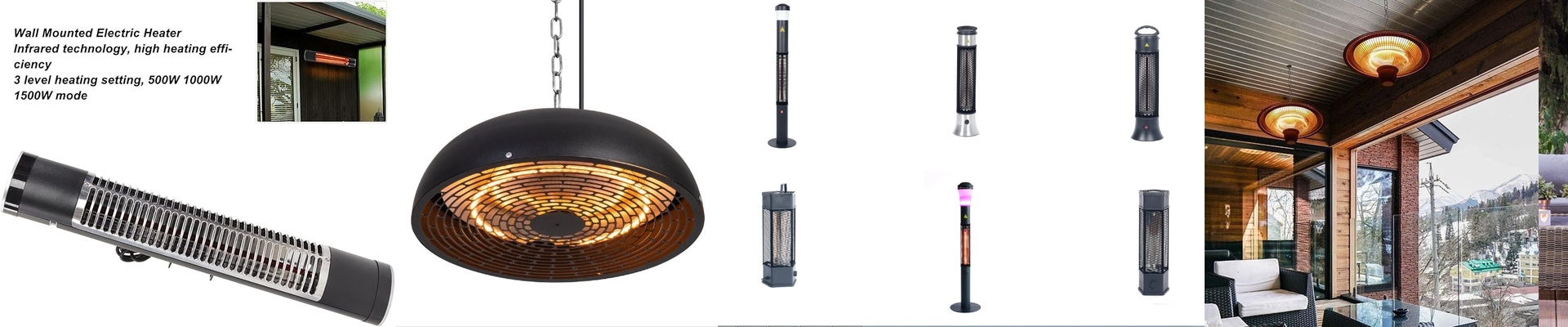
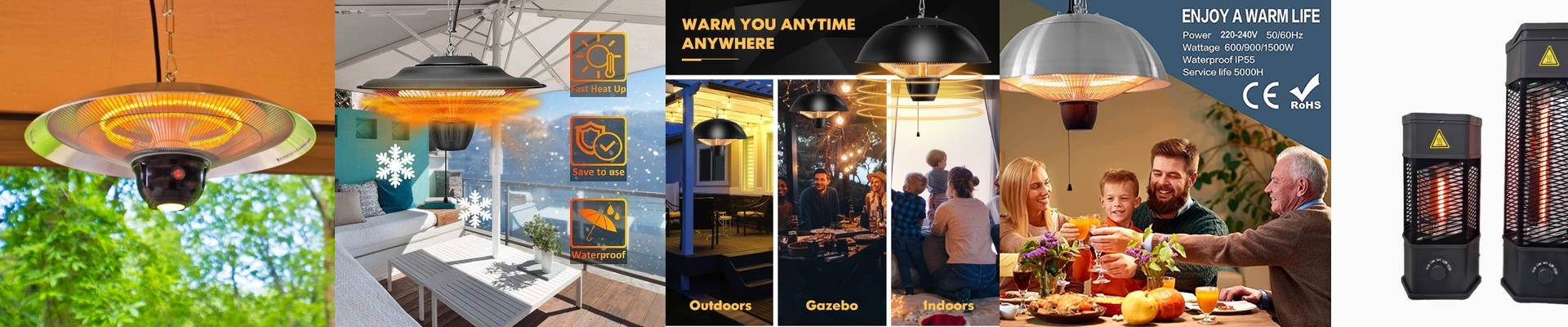
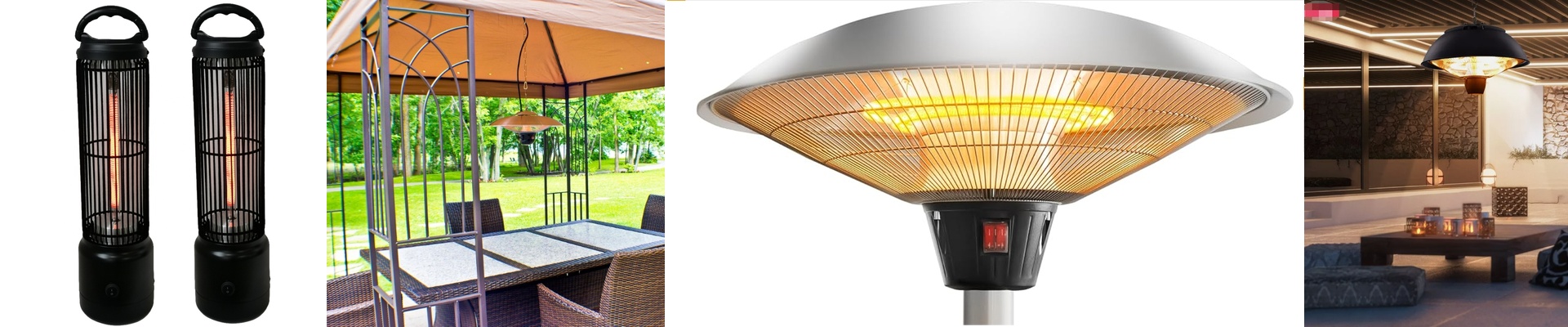
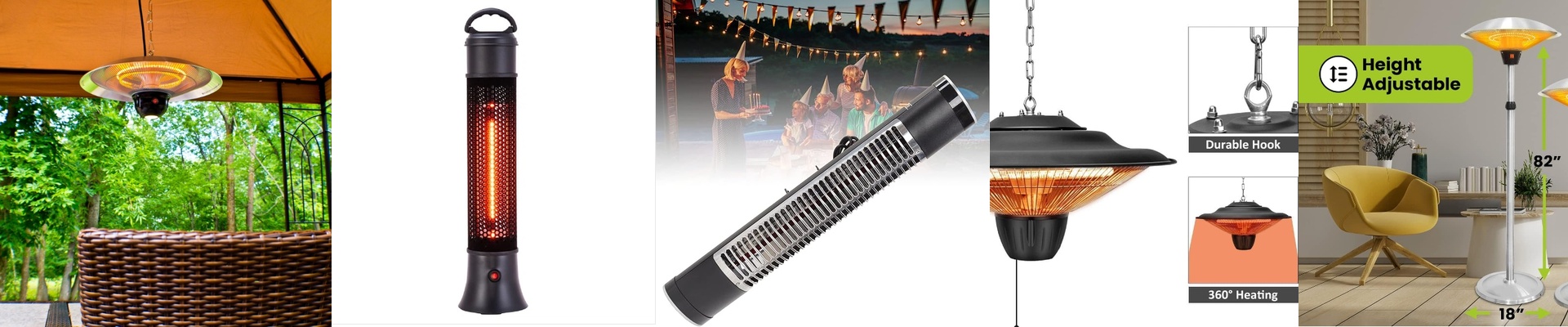
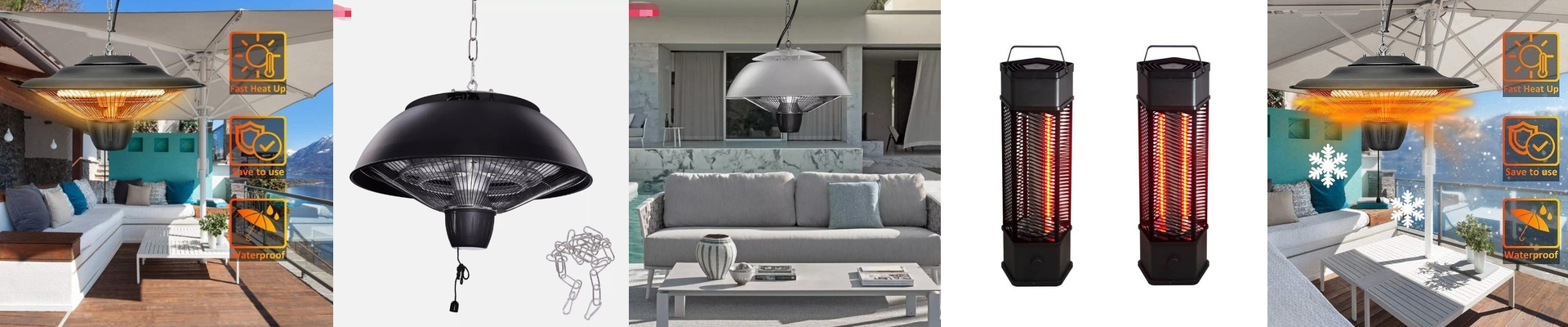
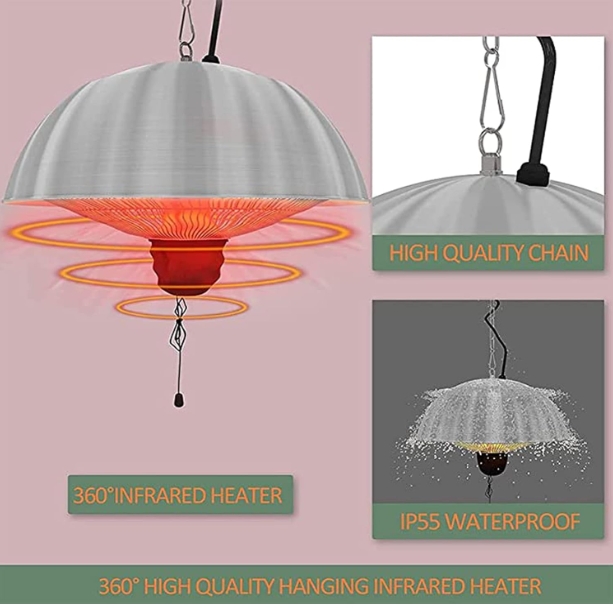
Step into a freshly remodeled bathroom and you feel it right away. The old bulb-type heaters are gone, along with the lag and those stubborn cold spots after a shower. The move now is waterproof infrared heaters, and at the core you’ll often find a 3-phase electric heater built to deliver steady, high-output comfort.
What matters under the hood
A 3-phase electric heater gives you more power on a balanced electrical load, spreading the current across three lines instead of one. That balance eases the strain on the circuit and keeps heat output consistent, even when other bathroom appliances are running. Inside, a quartz or carbon fiber infrared element produces radiant warmth that travels straight—like sunlight—to heat people and surfaces directly, not just the air. The payoff is faster warm-up, quiet operation, and less wasted energy heating empty space.
Why this is a natural fit for bathrooms
Bathrooms need heat that shows up fast, stays even, and can take the moisture. A waterproof infrared heater with a strong IP rating holds up against steam and splashes, so it keeps performing near showers and tubs. Because radiant heat warms objects directly, you feel cozy sooner, and the air doesn’t get that heavy, stuffy feel. For modern bathroom upgrades, that means fewer drafts, comfort you can control, and a cleaner look than the old bulky lamp-style heaters.
What to keep straight up front
This is a heavier-duty solution, so it needs a proper 3-phase electrical supply and professional installation. Plan for dedicated wiring, correct breaker sizing, and a thermostat matched to the load. And while infrared heat feels natural, the unit needs clear line-of-sight to do its job.Don’t mount it where towels or cabinets block the warmth.