The Headache of Long Glass Tunnel Kilns (and How We Fix It)
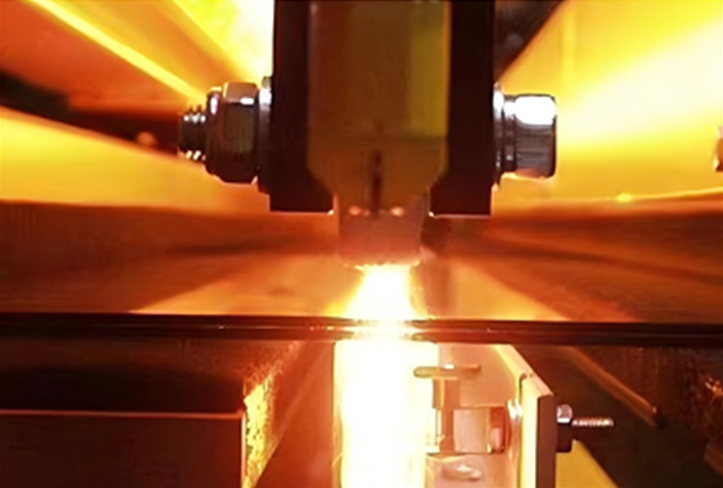
Most infrared lamps are pretty short. That’s fine for small jobs, but when you’re running a massive glass tunnel kiln, you run into a problem. You can’t just line up a bunch of short lamps and hope for the best. If you do, you’ll end up with “cold spots” at every single gap. It’s frustrating, and it ruins the finish. To stop that from happening, we build custom continuous units that stretch past 2 meters. Dealing with the Power Here’s the thing: when you scale a lamp up to 2 meters, the physics get tricky. You have to worry about voltage drop and making sure the heat is actually even from one end to the other. If you just used one giant tube, the electrical load would be insane. You’d be tripping breakers all day. To get around this, we use segmented internal wiring or high-voltage setups. It keeps the footprint small but still gets the glass to the exact temperature you need. The Build We use heavy-wall quartz glass. Why? Because a 2-meter tube is heavy. If it isn’t thick enough, it’ll actually start to bow or sag under its own weight. We also space the support brackets carefully so the tube stays dead straight. Then there are the reflectors. We use specialized ones to push all that energy straight down into the glass. And we stick with shortwave emitters. They’re fast. Like, “hit the target instantly” fast. A Few Warnings for Install These units are great because they replace those messy, fragmented arrays, but they’re a bit nerve-wracking to install. Quartz is fragile. One wrong move—one little bump against the kiln frame—and crack. It’s gone. You’ve got to make sure your mounting rails are perfectly level before you even think about sliding them in. One last thing: since these units put out a massive, continuous line of heat, your exhaust system needs to be up to the task. If you aren’t pulling that ambient heat out of the kiln, you’re going to fry your control electronics. And nobody wants to deal with that.