Making Your Shop Heat Actually Smart
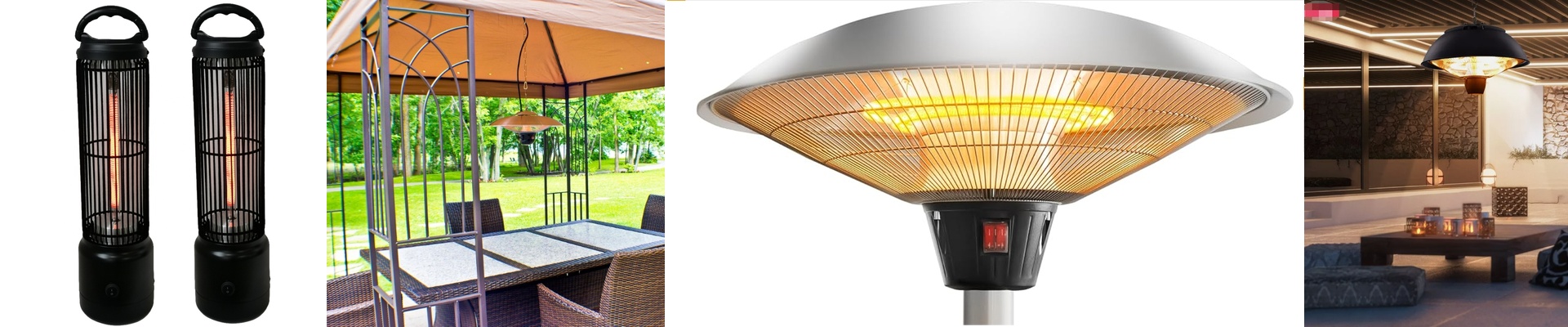
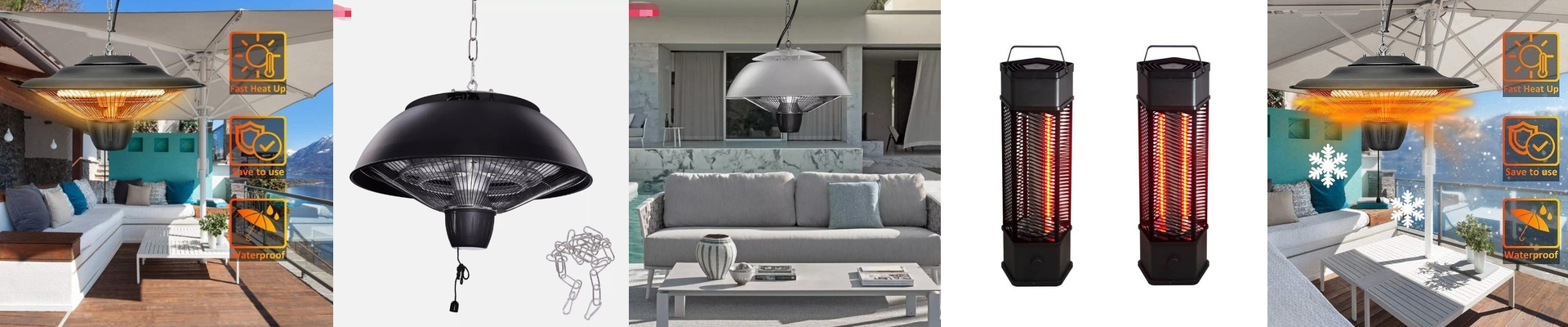
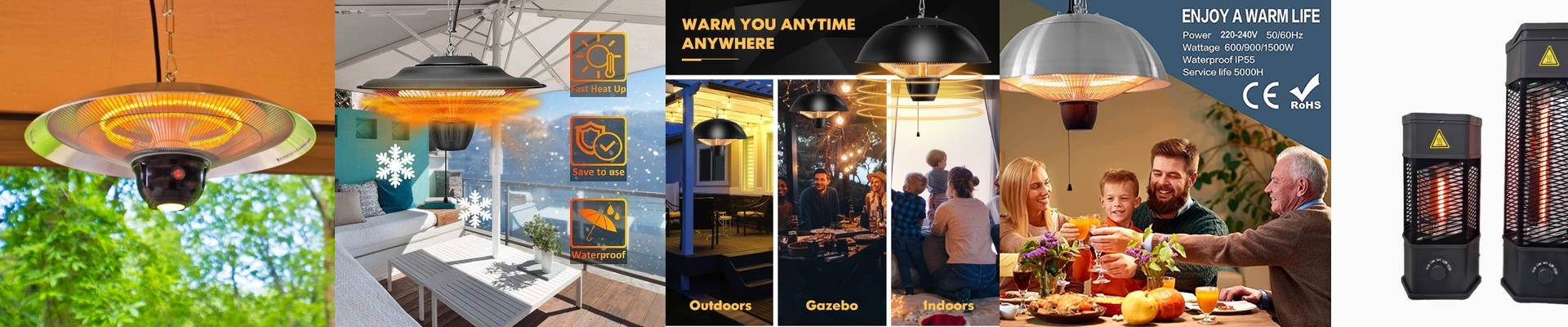
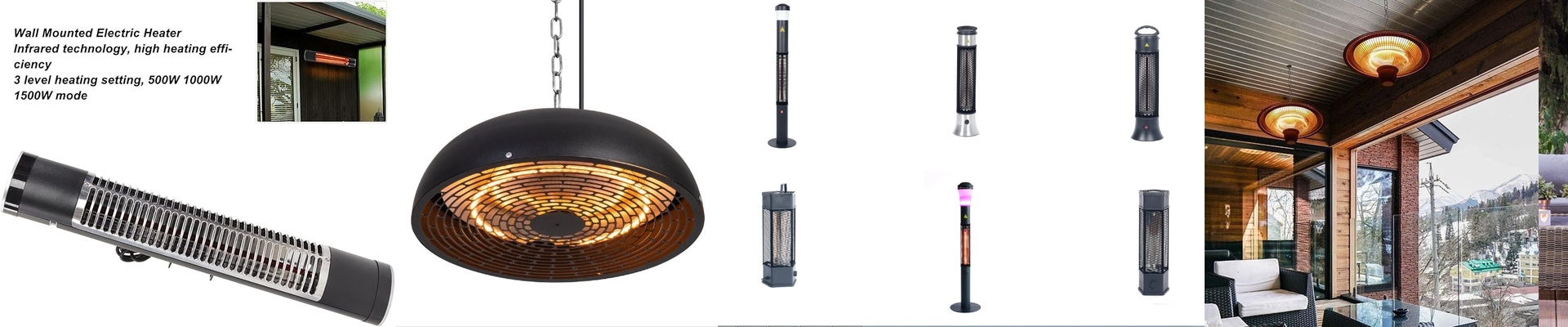
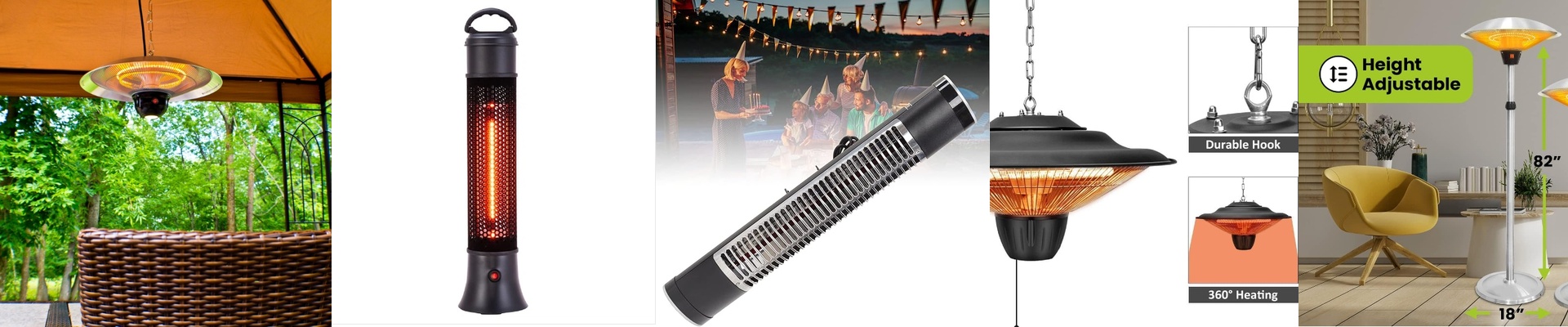
Here is the deal with industrial ceiling heaters: they don’t waste time trying to warm up all that empty air in a warehouse. Instead, they beam heat straight down onto your people and your gear. It’s a much better way to do things, but if you’re still flipping manual switches, you’re missing out. When you hook these units up to a smart system, you stop guessing and start actually managing the temperature.
Heat That Hits Instantly
Most of these ceiling units use infrared emitters that get hot in a matter of seconds. By adding a smart relay or a PLC controller, you basically get a “magic button.” You don’t have to wait for a forced-air furnace to slowly chug along and warm up the building. You hit a button, the circuit closes, andboom—you feel the heat immediately. It’s fast. Really fast.
Getting it Connected
To make this work, we usually wire the heaters into IoT gateways using things like Modbus or Zigbee. In plain English? It means you can set a schedule or turn the heat on from your phone before you even step foot in the shop. One heads-up, though: watch your electrical panels. High-wattage heaters pull a lot of power the second they kick on. If your smart switches aren’t rated for that kind of load, you’ll be tripping breakers all morning.
The Reality Check
Now, adding all this tech does make the wiring a bit more crowded. You’re putting sensors and controllers between the power and the heater. Here is my biggest piece of advice:**always install a manual override switch on the shop floor.**Networks crash. Apps glitch. You can’t leave your crew shivering in the cold just because the Wi-Fi is acting up. If you want to do it right, pair your smart trigger with a PID controller and a ceiling sensor. It keeps the system from overshooting the temperature, which saves you a decent chunk of money on your power bill and keeps your heating elements from burning out too early.