Keeping Locker Rooms Warm (Without the Headaches)
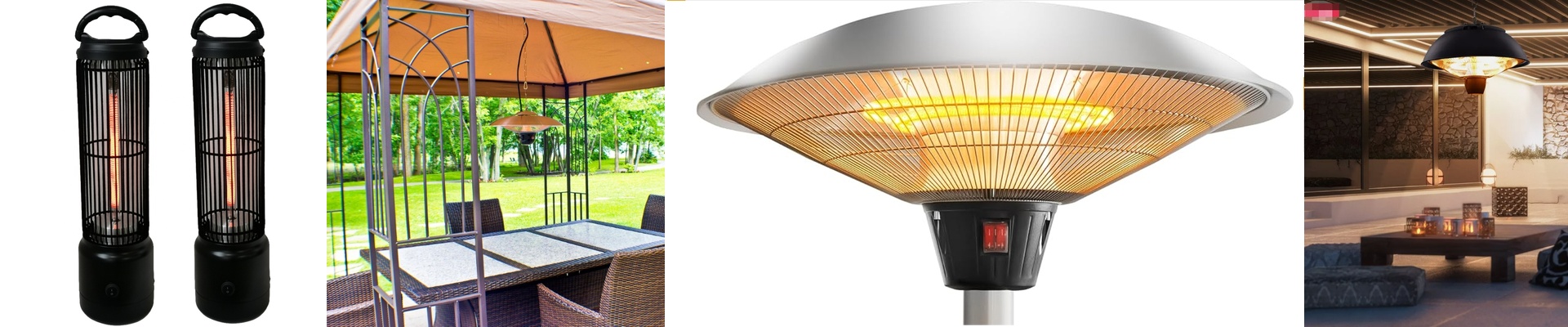
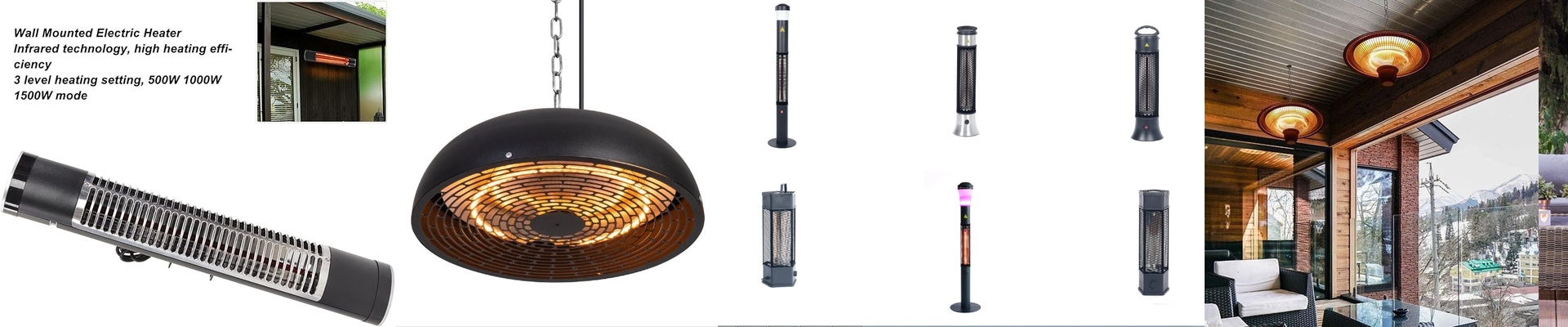
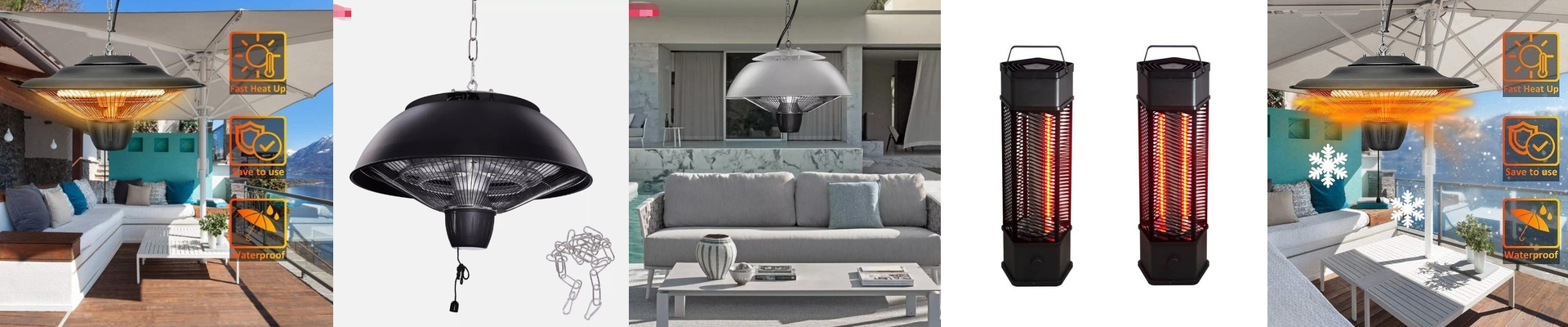
Heating a locker room or a wet changing area is a bit of a nightmare. You can’t just throw a standard heater in there and hope for the best. Between the steam and the occasional splash of water, most electronics just give up—or worse, they short out. That’s why we built our infrared heaters with an IP65 rating. Basically, it means they’re sealed tight. They can handle the damp, the humidity, and the grit without corroding or quitting on you.
Why it feels different
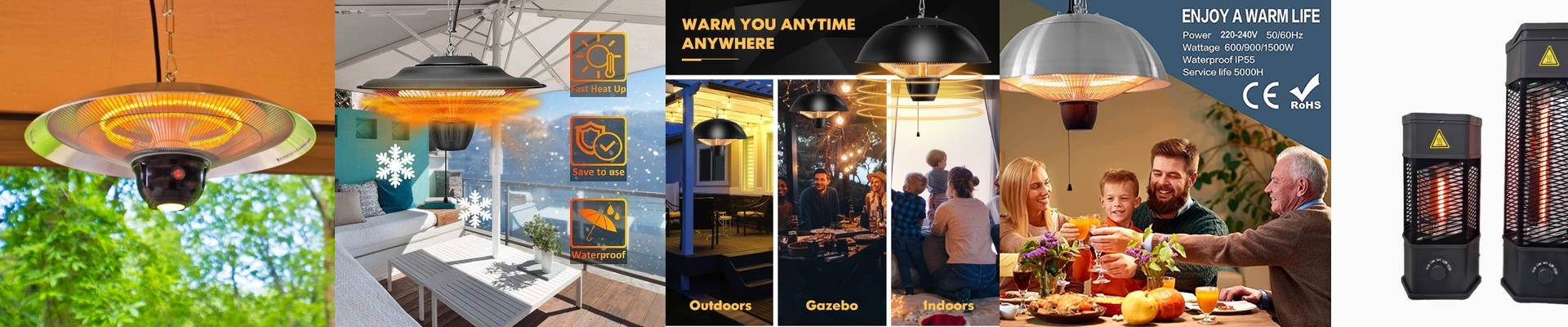
Most heaters try to warm up the air. The problem? In a room with high ceilings and open doors, that warm air just floats away. Our units work differently. They use short-wave infrared radiation, which travels in a straight line. Instead of heating the room, they heatyou. You feel it almost the second you flip the switch. It’s an immediate, cozy warmth that hits your skin directly, even if the air around you is still chilly. Plus, since you aren’t trying to heat every cubic inch of a giant room, you aren’t wasting money on electricity you don’t need.
The nitty-gritty on the build
Since these live in “wet zones,” we didn’t cut corners. The chassis is dust-tight and can take a direct hit from a water jet without blinking. We sealed the electrical junctions and used housings that won’t rust away in a steam-filled room. One thing to keep in mind: power. If you’re putting in a big array of these for maximum heat, keep an eye on your breakers. If your wiring is too thin or your amperage is off, you’ll get voltage drops. When that happens, the heaters lose their punch. It’s worth double-checking your grid before you start drilling holes.
A few tips for installation
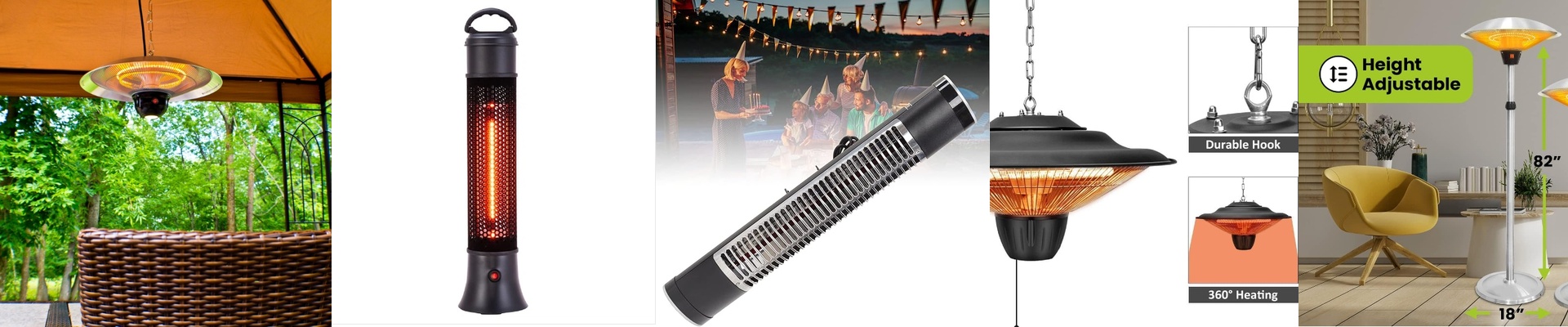
These are pretty easy to swap into your existing wall or ceiling mounts. But here is the catch: infrared is line-of-sight. If you put a heater behind a tall locker or a partition wall, you’ve just created a cold spot. The heat can’t “bend” around corners. Before you mount anything, take a look at where your furniture is going. Map out the footprints of the lockers first. That way, you make sure the warmth actually reaches the people using the room, not just the back of a metal cabinet.