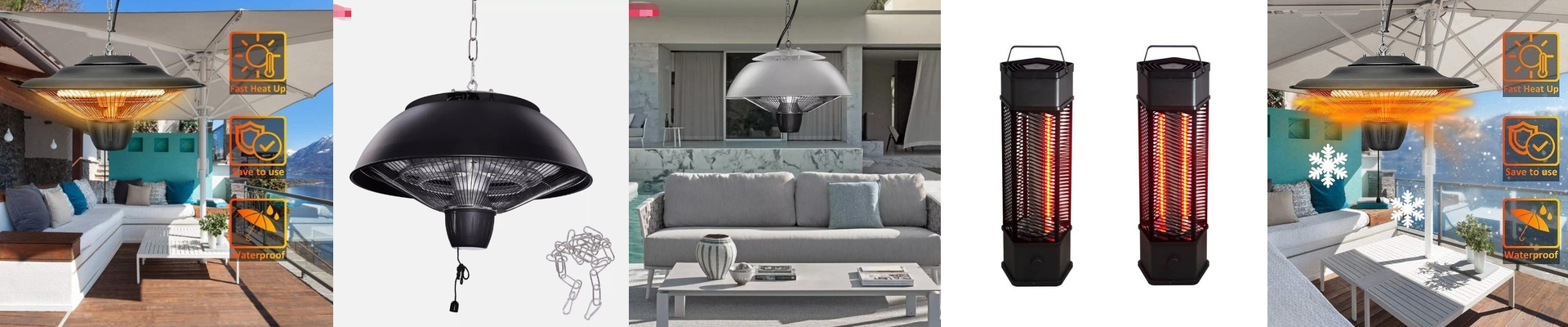
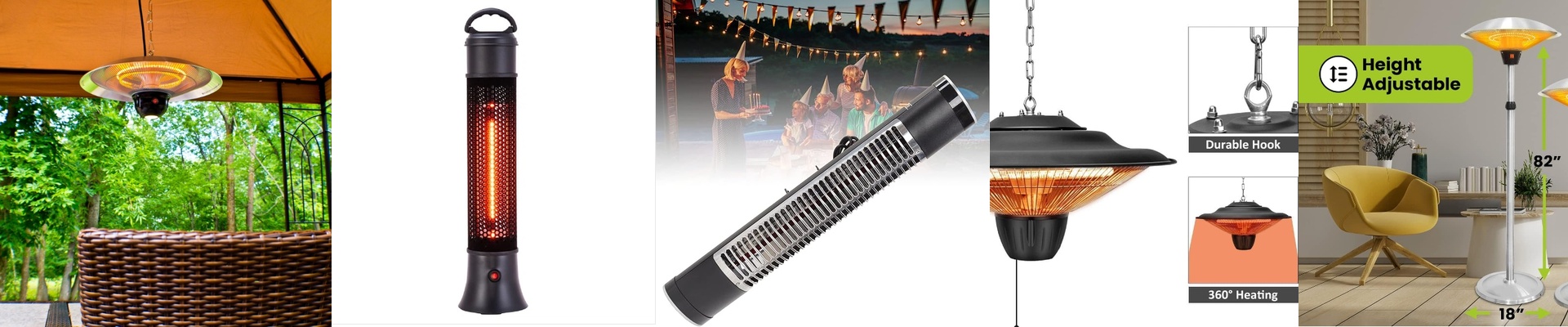
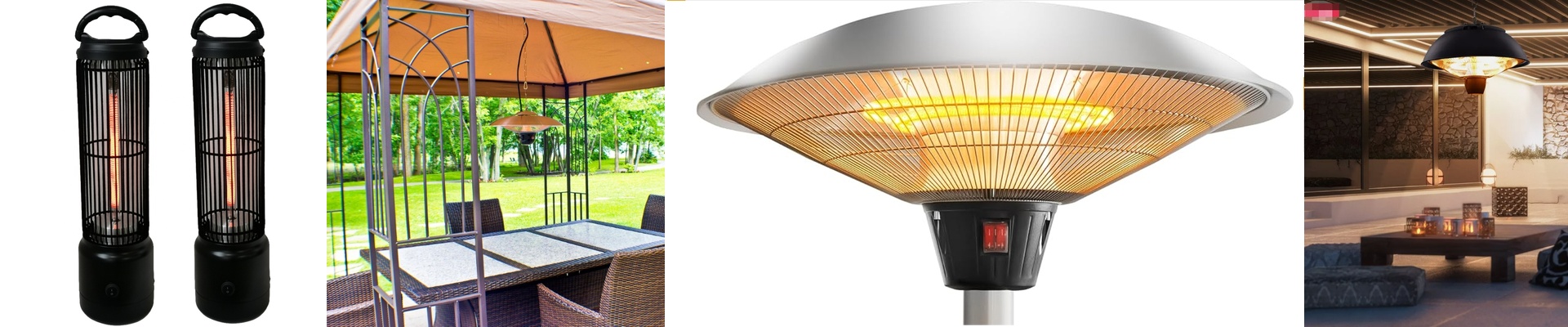
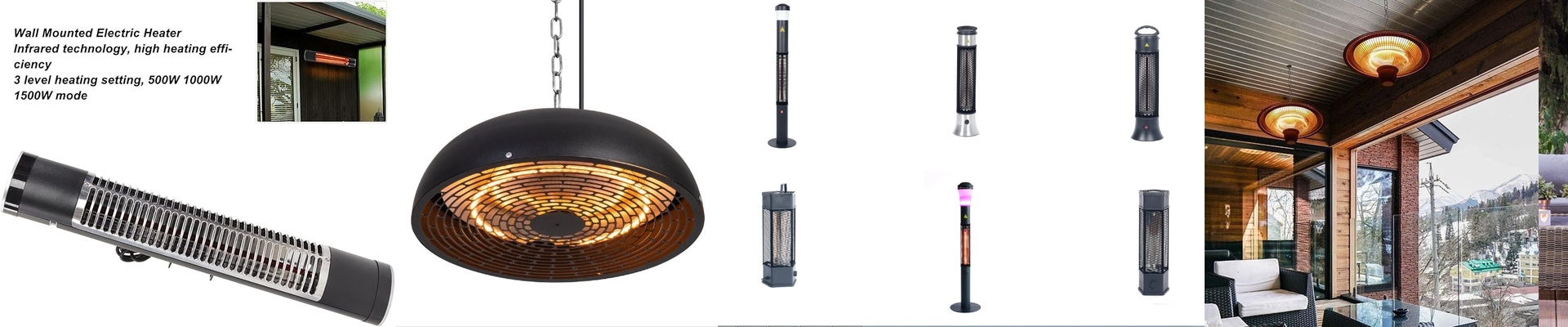
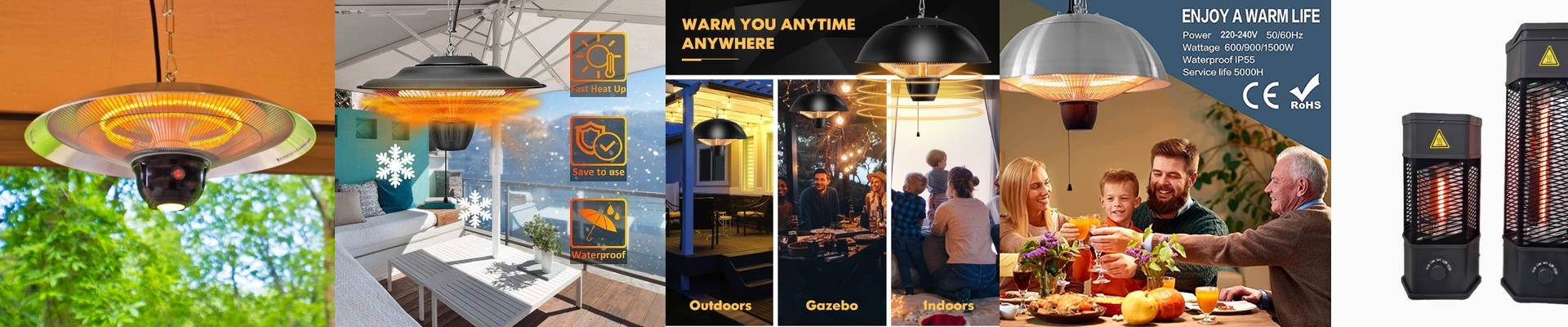

We built this IP65 waterproof infrared heater for the places standard heaters just give up on—outdoor spots, damp corners, anywhere that gets wet and wild. It throws out instant radiant heat, so freezing locker rooms and exposed patios don’t stand a chance. You step in, and the cold backs off. Inside, you’ve got a high-output halogen element sealed in a tough quartz tube. It’s made to shrug off moisture, dust, and those sudden temperature swings that wreck ordinary units. Here’s the power part, straight and simple. We went with a direct-wire design that runs on 400V, so it can pull the current it needs without the voltage dipping when the wire run is long. The 2500W output packed into a 300mm tube means serious heat density. That’s how it hits target temps in seconds, not minutes. And it’s compact enough to drop in where an old fixture used to be—just give it proper circuit protection. Because it cranks out that much heat, make sure your cooling setup is ready for the extra warmth in the space. It’s a big burner, and that means the ambient heat needs to be managed. When it comes to materials, we chose a halogen-filled quartz tube because it handles rapid on-off cycling without burning out early. The element stays stable at high heat, and the halogen cycle keeps the filament clean, so the output stays steady over the life of the lamp. Sealing is why this thing earns IP65. The housing is sealed, the joints are gasketed, so water jets and dust don’t get a foothold. For wiring on site, we use an R7s connector on the tube. It slips in clean, lines up true, and gets you connected fast. The tube coating handles thermal shock and shrugs off corrosion from the environment. This setup is meant for the rough spots—outdoor seating, entryways, locker rooms where moisture and cold air are part of the daily routine. The infrared heat warms people and objects directly, not the air, so you feel usable warmth the second you turn it on. If you’re an engineer, you’ll like the reliability and the install time. The R7s base and sealed housing mean fewer service calls, and the unit holds up to weather and vibration. You get heat that’s predictable, performance you can count on, and less time spent chasing maintenance headaches.