Introduction
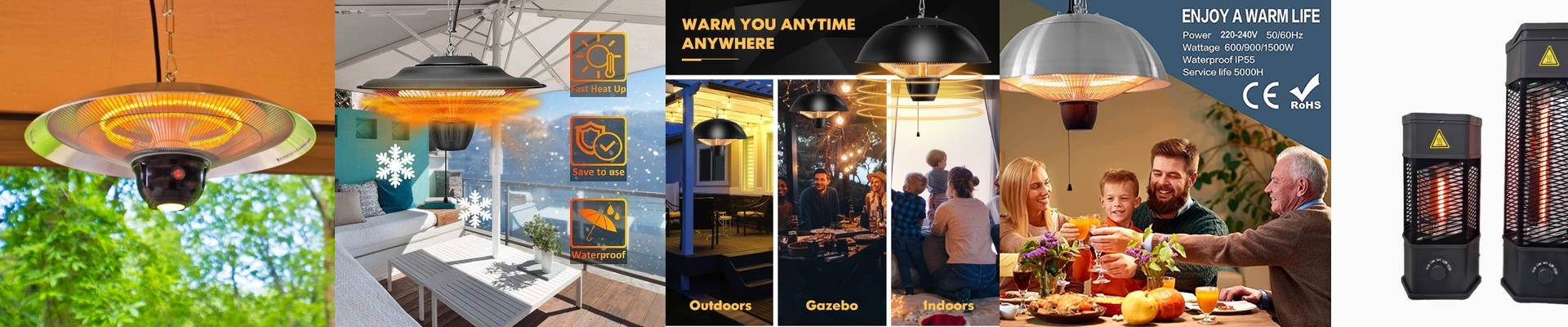
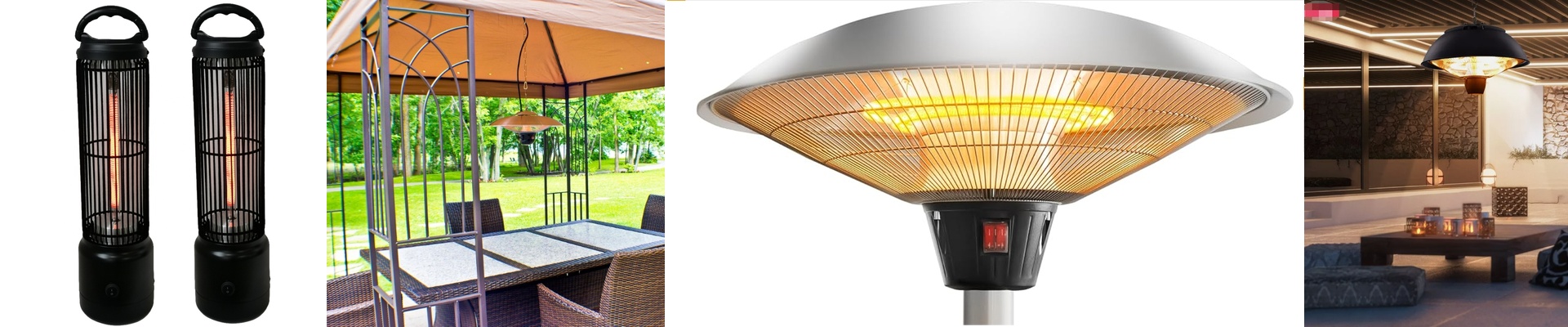
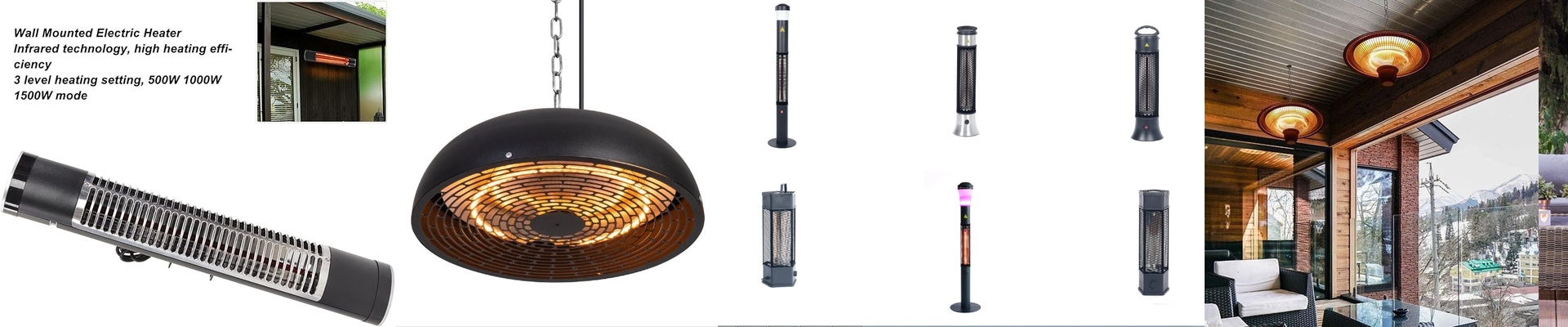
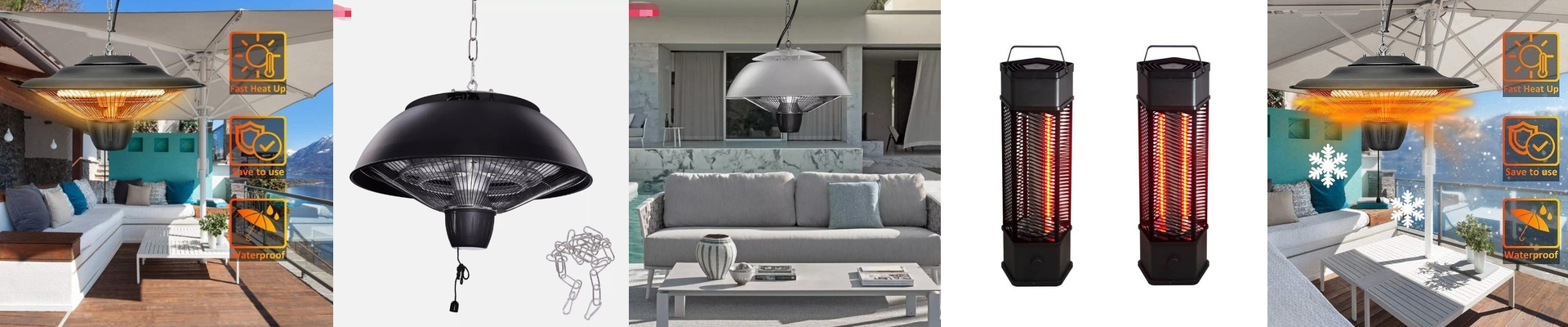
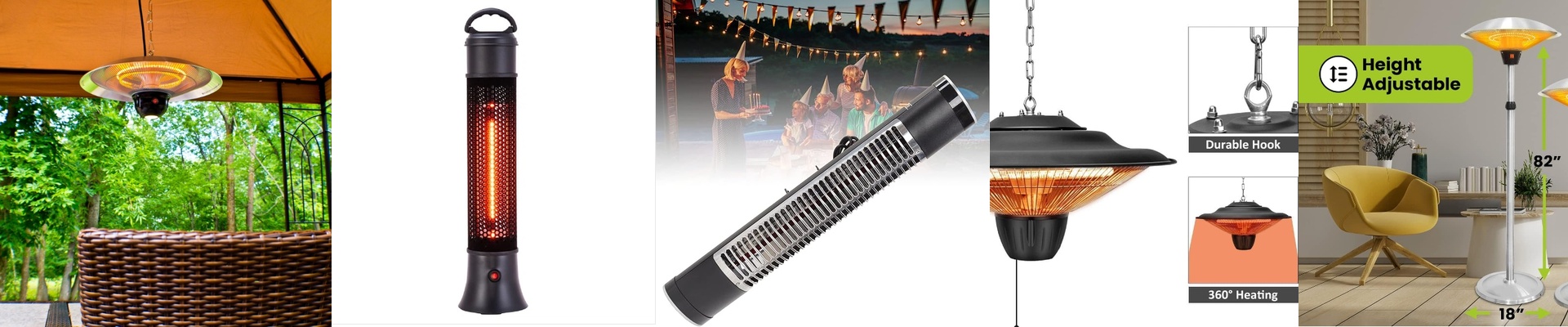
We build our patio heaters two ways—wall-mount and floor-stand—but they share the same heart: a tough, industrial infrared lamp. The whole point is simple: give you focused warmth that dries fast and keeps working, no matter what the weather throws at it. Before a single heater leaves the factory, we put it through serious damp-heat aging tests. Because comfort that falls apart after a week isn’t comfort at all.
What’s really going on under the hood
These heaters pack a lot of heat into a small footprint. The infrared lamp throws off strong, directional warmth—so it warms people and surfaces directly, instead of just heating the air around it. We choose voltage and wattage carefully, balancing line load, how fast it heats up, and how much stress the parts can handle. The payoff? It warms up quickly and stays steady, even when you turn it on and off again and again. But high output means high heat inside. If the lamp materials and seals can’t take sustained heat, performance starts drifting fast. So we run an aging test that pushes the unit in high humidity and high temperature. We want to spot any drop in output, any weak terminals, any insulation issues—before the heater ever reaches you.
Materials and design—built to take it
Inside, the halogen element sits in a quartz envelope, chosen because it handles sudden temperature swings without cracking. The reflector coating is there for one reason: focus the infrared energy forward. That means less wasted heat and less strain on nearby parts. Then there are the connectors—R7s or SK15—picked because they make a solid, repeatable electrical connection. In wet or humid conditions, a loose or corroded contact is usually the first thing to fail. During aging, we make sure those contacts stay low-resistance and don’t loosen as things heat up and cool down.
Why this matters when you’re actually using it
On a patio, reliability isn’t measured in days. It’s measured in seasons. Wall-mount units keep your floor space clear. Floor-stand units let you place warmth exactly where you need it. But both come down to the same truth: if the lamp can survive condensation, heat cycling, and humidity, the whole heater holds together. There is a trade-off, though. Higher wattage means faster heat-up and stronger infrared output, but it also means more ambient heat around the base. So you want to match the heater to your ventilation and how you plan to mount it. And our aging test? It’s not a marketing line. It’s a pass/fail gate. It catches weak seals, borderline insulation, and contact problems early—so you get a heater that performs now and keeps performing, long after the first chilly night.