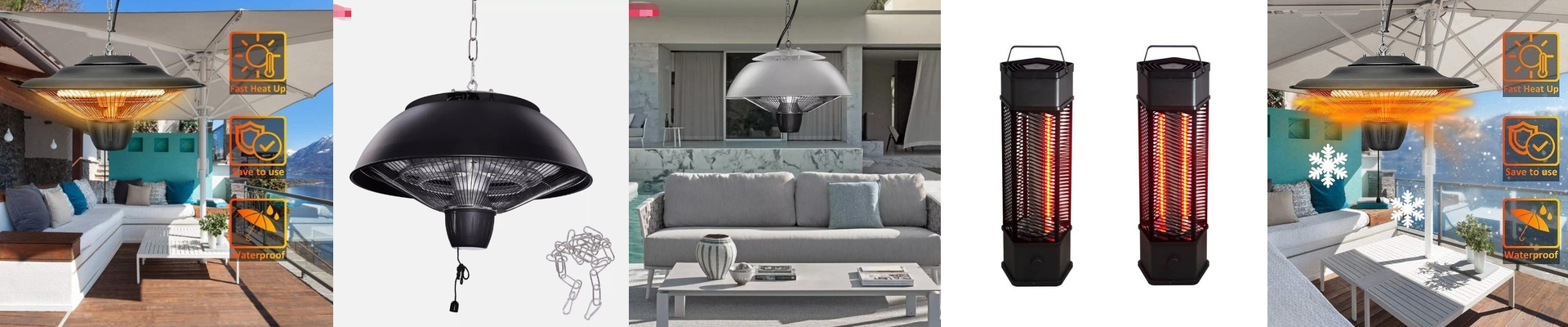
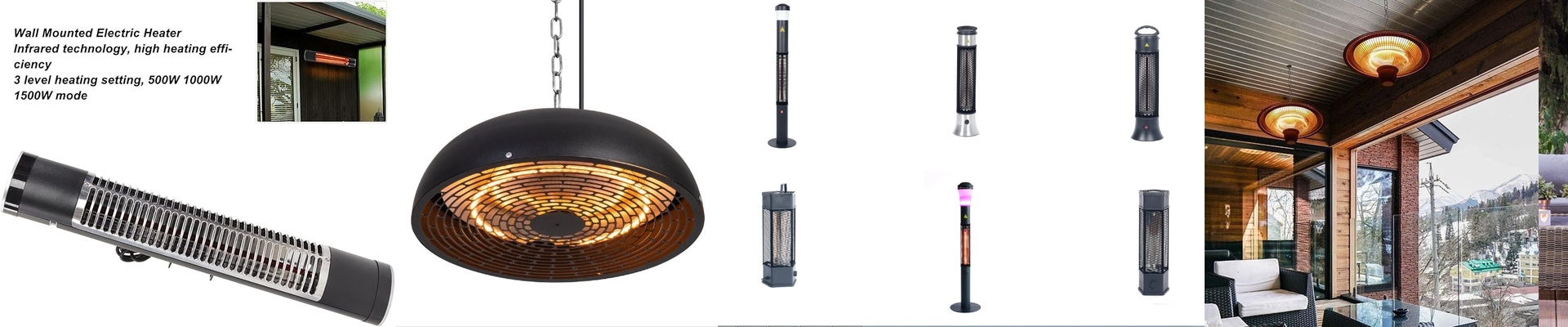
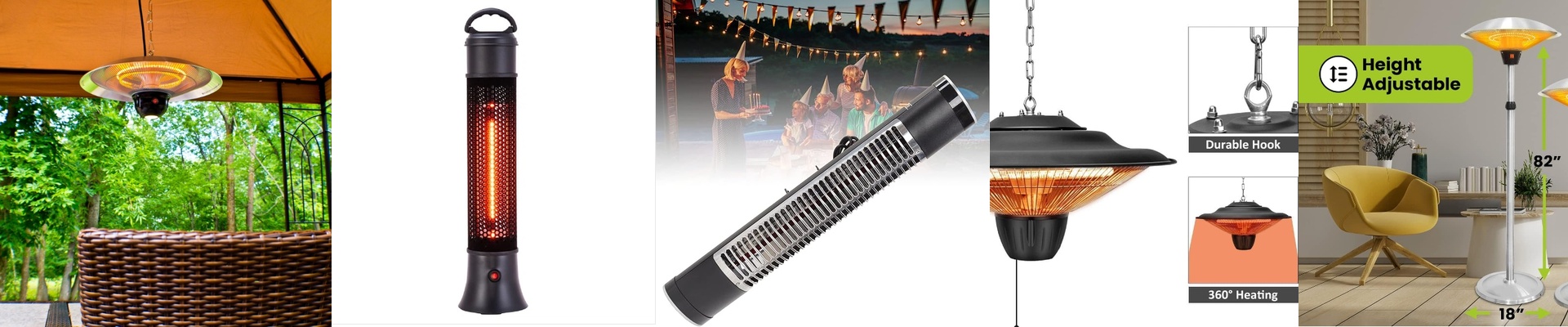
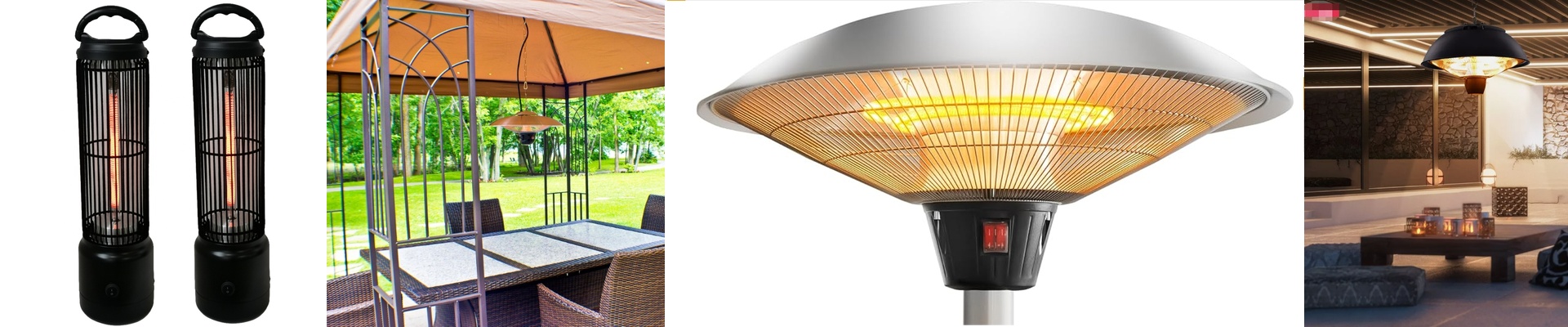
You shouldn’t have to choose between winter warmth and comfortable humidity. In a lot of homes and workshops, the second the heater kicks on, the air turns thin—throats get scratchy, wood starts to move, and your skin feels tight. That’s the usual compromise with forced-air heat. An electric infrared pipe heater changes the equation. It warms what it hits—people, floors, tools—directly, so the air isn’t churned to death and the moisture you want stays where it belongs. What’s actually going on, technically Infrared pipe heaters run on radiant heat, using a high-efficiency quartz or carbon fiber element inside a slim, tough pipe body. Heat radiates outward in broad patterns, warming solid surfaces without having to heat the entire volume of air first. Most units plug into standard 120V or 240V circuits, and you can match the output to the space—typically 1,500W up to 3,000W per heater. Built-in thermostats hold the set temperature, and the basics—tip-over protection and overheat cutoff—are standard. If you’re running one in a bathroom or utility area, make sure the IP rating is appropriate for damp conditions. Here’s why this matters indoors: humidity is not a luxury. Traditional heaters that blast hot air accelerate evaporation, and that’s when you end up chasing the humidifier. An infrared pipe heater focuses on the objects and people in the room, so you feel cozy at a lower air temperature. Less moisture loss, steadier relative humidity, and easier breathing. In a workshop, it also helps keep glue joints stable and finishes curing more evenly. The result is warmth that feels natural—fewer drafts, less static, and day-to-day comfort that’s noticeably easier on the room. A couple of practical notes. Radiant heat works best when the heater has a clear line of sight to the people and surfaces you want to warm. If something blocks it, coverage drops—so placement is half the job. Also, the pipe body gets hot, so keep the unit clear of anything combustible and use the included mounting hardware for a stable, level install. In spaces that are very cold or drafty, pairing an infrared heater with a gentle supplemental air mover can smooth out comfort without drying the air.