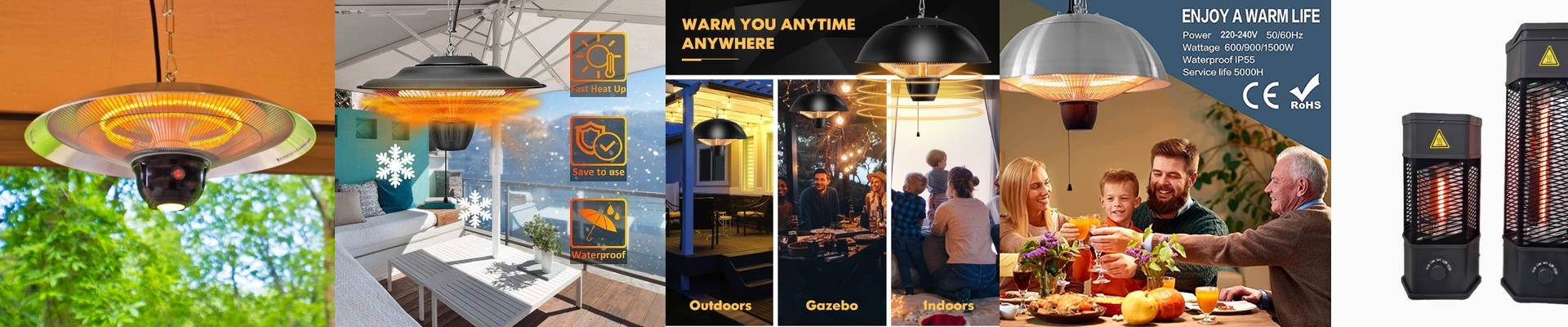
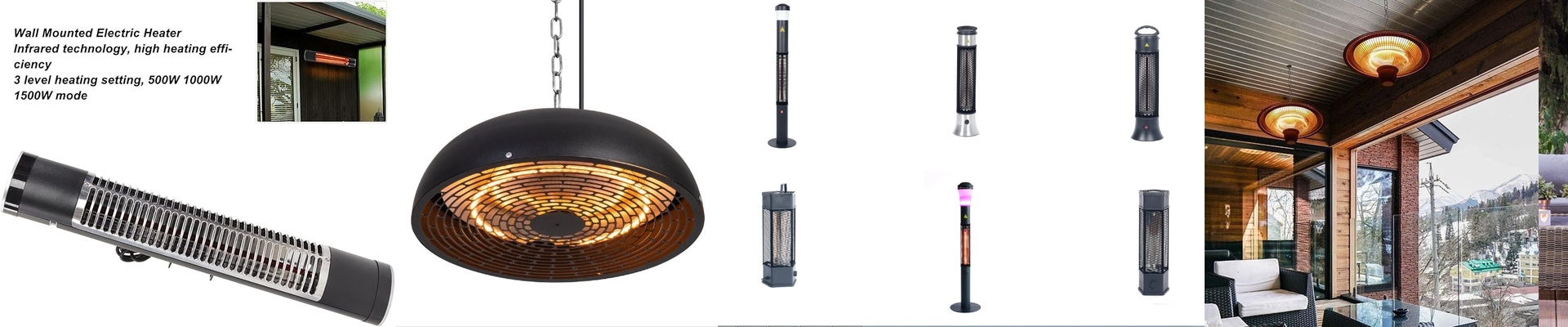
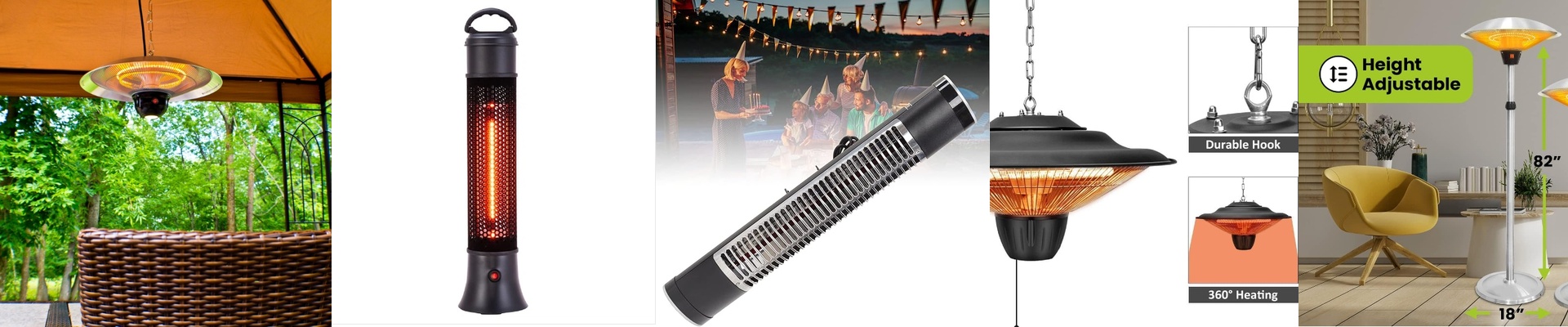
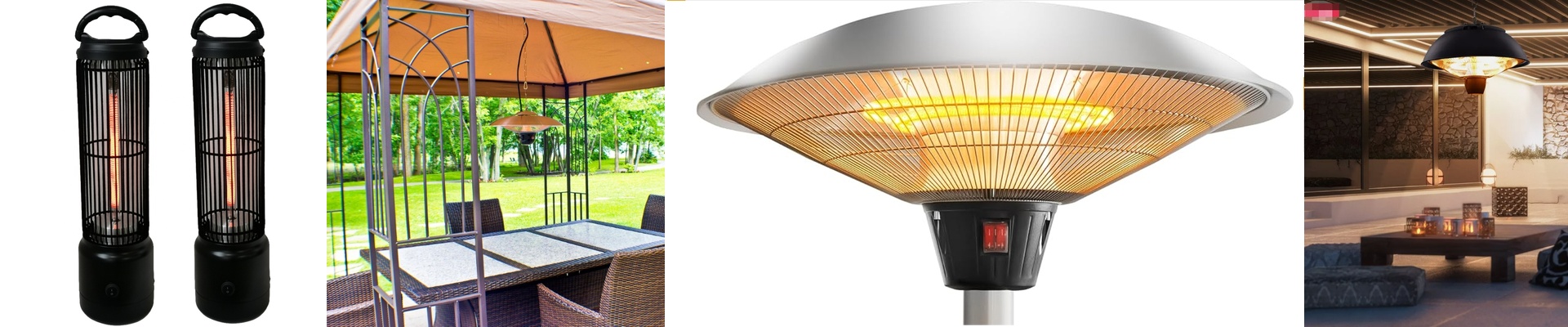
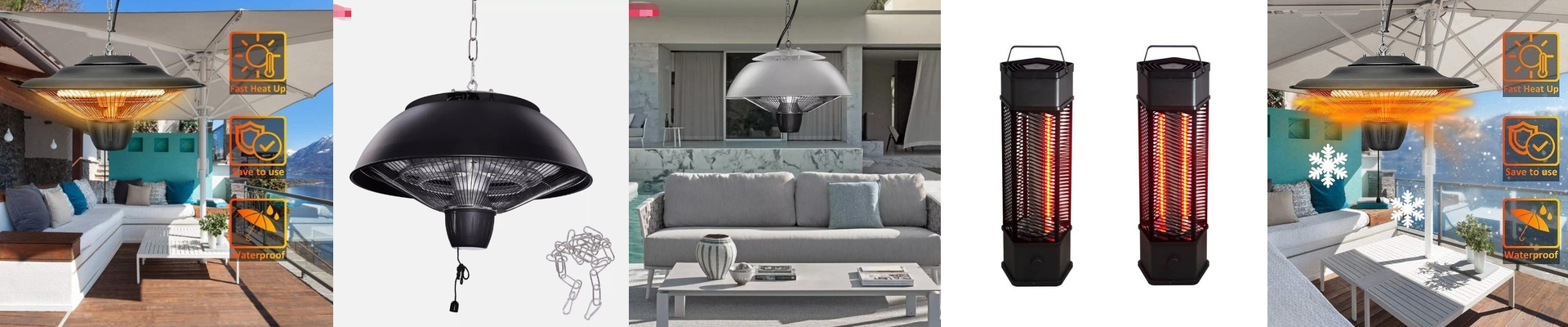
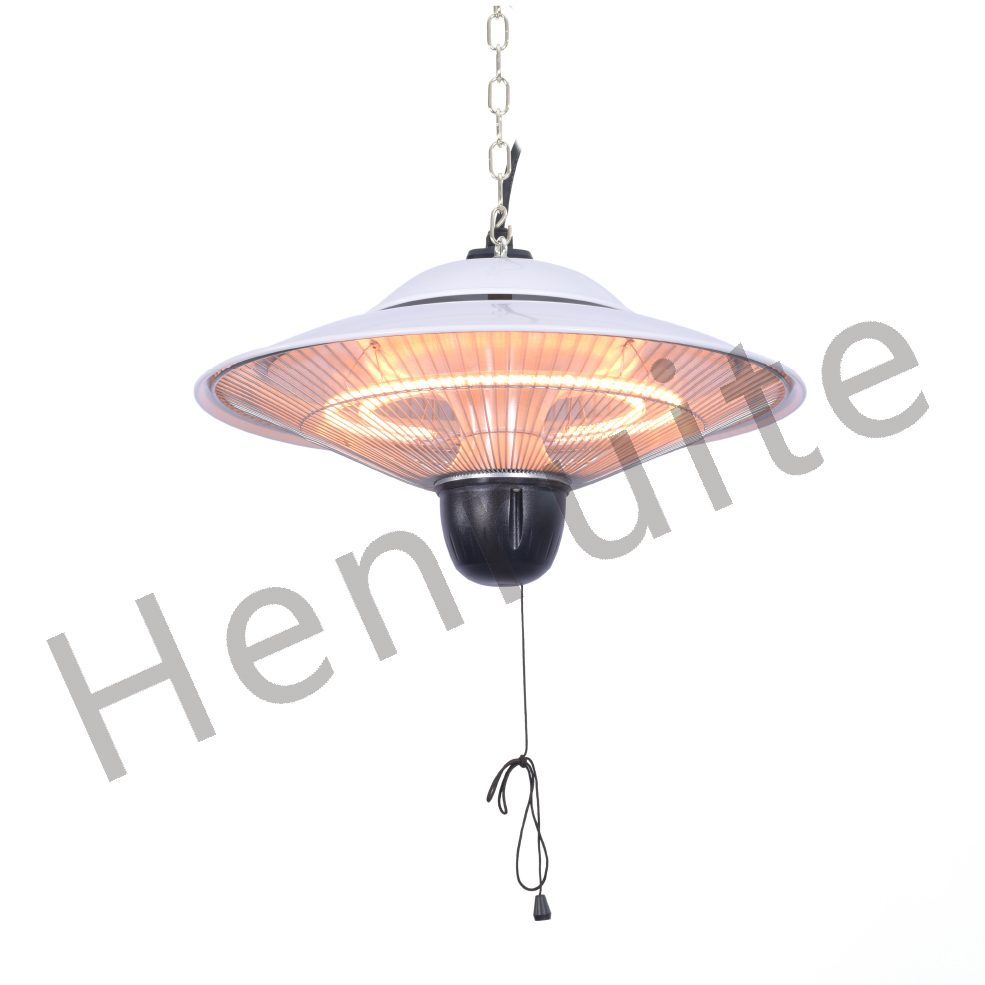
Energy prices keep climbing, and every degree on the thermostat starts to feel expensive. When winter settles in, the real question isn’t just staying warm—it’s staying warm without watching the utility bill balloon. A plug-in wall heater built around infrared warmth gives you a practical way to heat the spaces you actually use, instead of pushing heat through the whole house. What matters technically Infrared plug-in wall heaters deliver radiant heat, warming people and objects directly rather than heating air. Many models run on standard 120V outlets, so installation is straightforward—no dedicated circuit work in most homes. Inside, carbon fiber elements and quartz tubes give you fast heat-up and stable output, while built-in thermostats help prevent temperature swings. For safety, look for tip-over protection and an overheat cut-off. If you plan to use one in a bathroom or a sheltered outdoor area, the IP rating tells you how well the unit resists moisture and dust. Why this works when costs are rising Efficiency comes from targeting heat where you need it. A plug-in wall heater warms a room quickly, so you can keep the main heating system lower and add comfort only where you are. Because infrared heat isn’t fighting drafts, the warmth feels steady even in spaces with doors opening and closing. That translates to noticeably less wasted energy—especially in a chilly bedroom, office, or living room that only needs heat part of the day. Here are the practical points You need a grounded outlet, and you need enough clearance around the unit for airflow and safe surface temperatures. These heaters perform best in smaller rooms or as a supplemental heat source, not as the sole heater for an entire home. And here’s the part that surprises some people: infrared warmth delivers comfort fast, but the feel depends on line of sight. Objects and walls absorb and re-radiate heat, so placement matters. Put it in the right spot, and you get dependable comfort with a lower monthly bill.