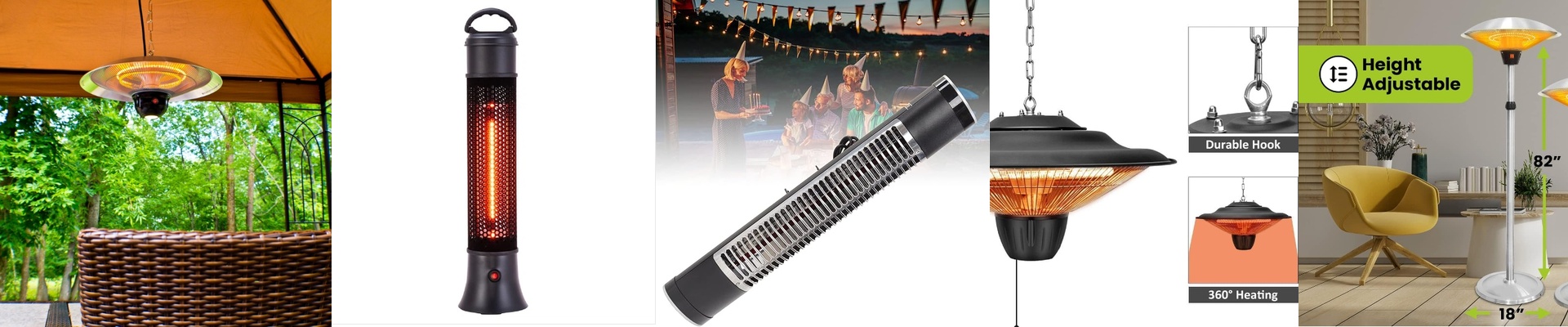
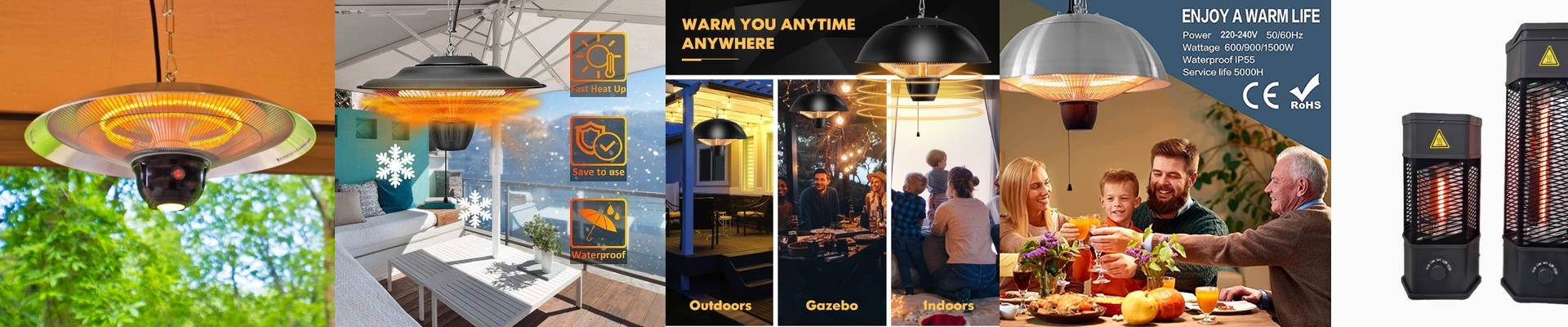
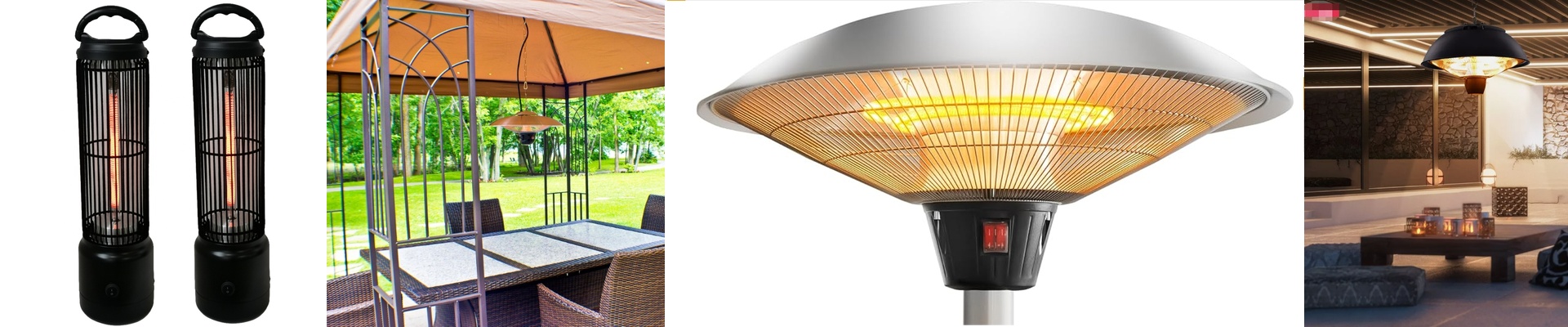
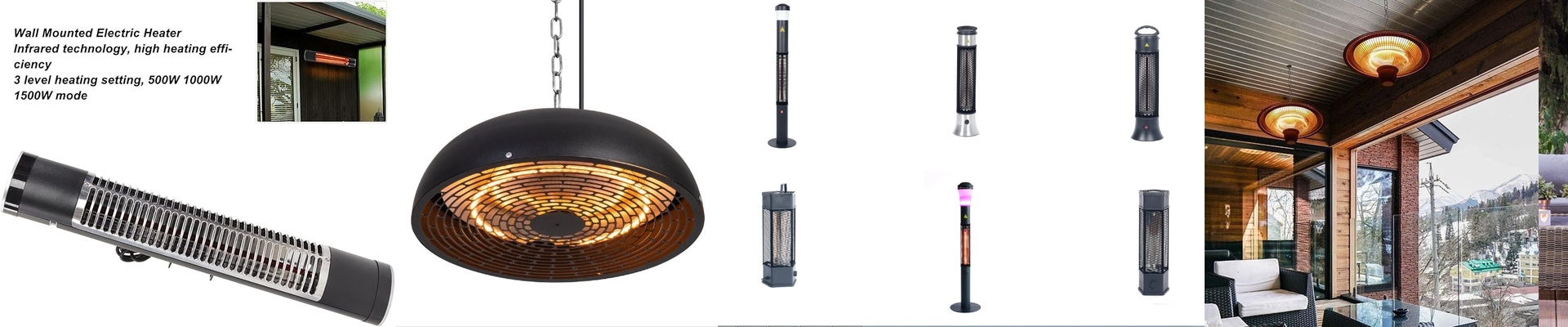
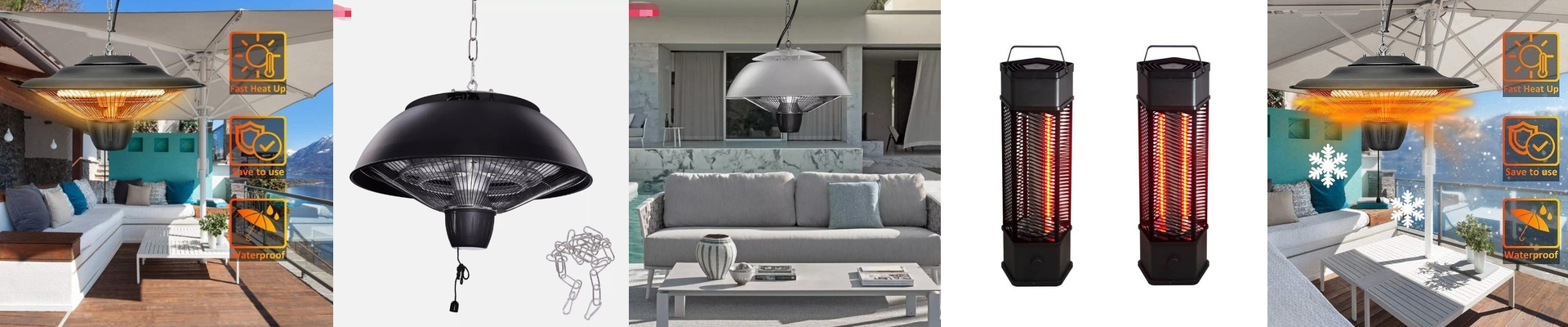
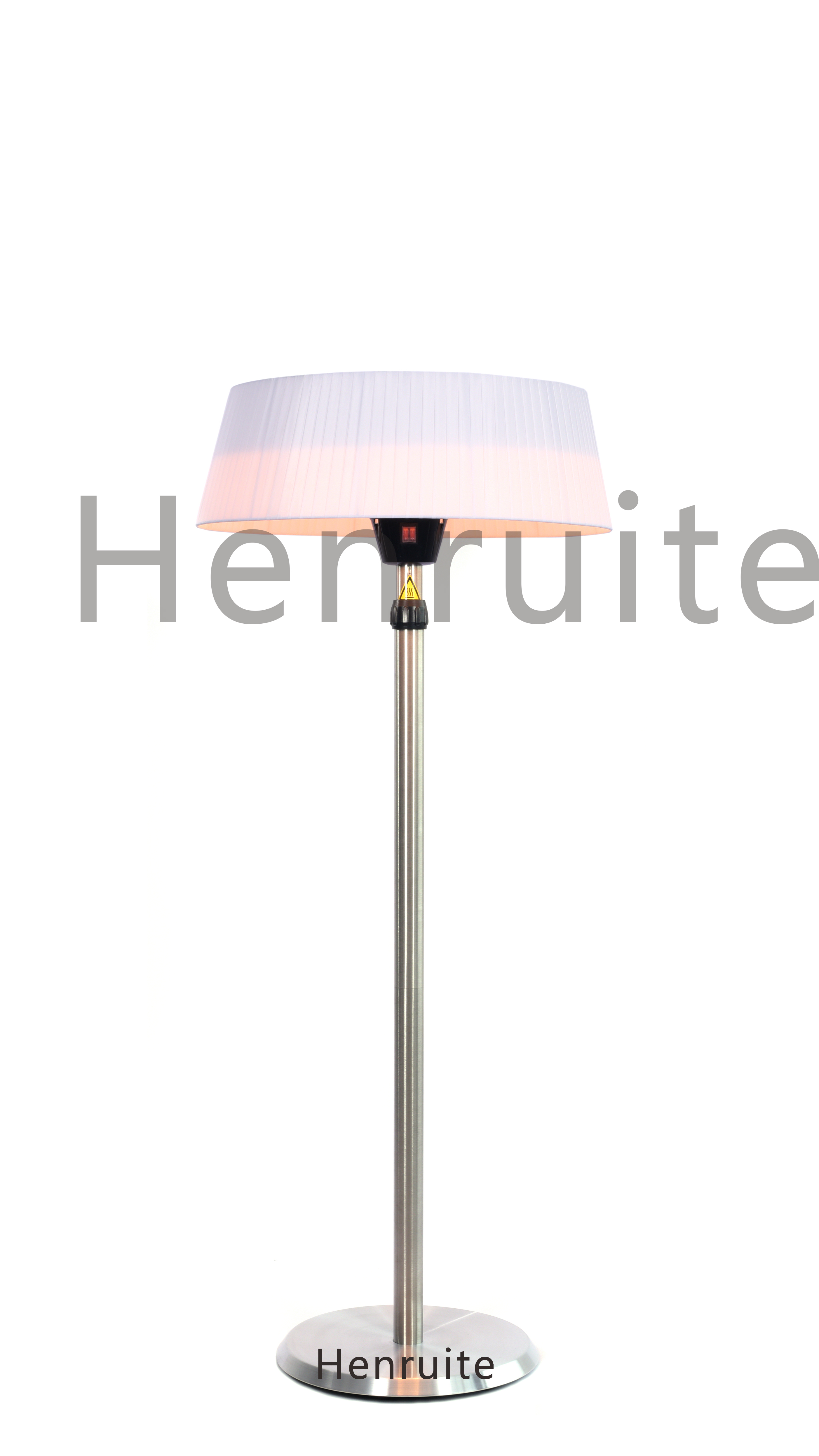
When winter evenings settle in, the problem isn’t just needing another blanket—it’s getting warmth that actually gets to you. Conventional heaters warm the air, and air is a slow, uneven medium. You feel the cold first in your hands and feet, and the space never quite feels properly settled.
What matters, technically
Modern electric infrared heaters deliver radiant warmth—think of it like the sun, but without the UV. They emit far-infrared energy that travels in straight lines and is absorbed directly by people and objects, not by the air. That direct transfer means you feel warmth almost immediately, and your skin temperature rises in a gentle, steady way. Most units run on standard 120V outlets, pulling 1200–1500W, and use carbon fiber elements or quartz tubes that come up to temperature fast and hold output steady. A built-in thermostat helps keep the room at your comfort level, while tip-over protection and an overheat cutoff give you practical peace of mind.
Why this approach works in the real world
In a family living room, the payoff is more than comfort. Far-infrared warmth penetrates the superficial layers and encourages gentle vasodilation, which supports circulation and helps muscles relax. The practical upshot? Evenings feel easier—less stiffness after a long day, fewer shocks from a cold floor when you get up, and a steady feel that doesn’t swing between hot and cold. Because the heat targets what it touches, you’re not throwing energy away heating empty air. That means you can maintain comfort without constantly chasing the thermostat.
The things you actually need to watch for
Infrared heaters warm people and surfaces directly, so they perform best in open areas where there’s clear line-of-sight. If you’re after whole-room heating, pair the unit with gentle air movement or a secondary convection heater. **Clearances matter.**Keep the heater at least three feet from fabrics and furniture, and always follow the placement instructions. In humid spaces, pick a model with appropriate protection; for outdoors, look for an IP rating that matches the exposure to moisture and wind.