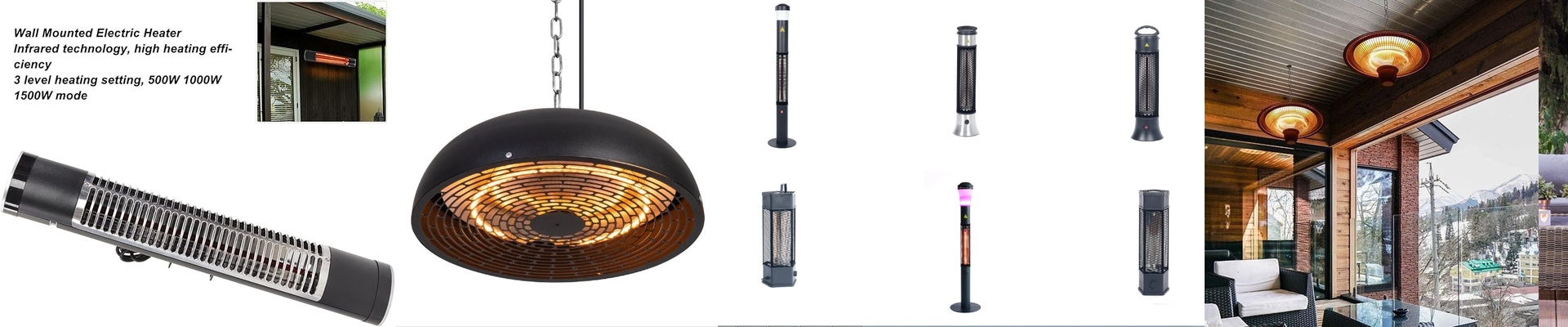
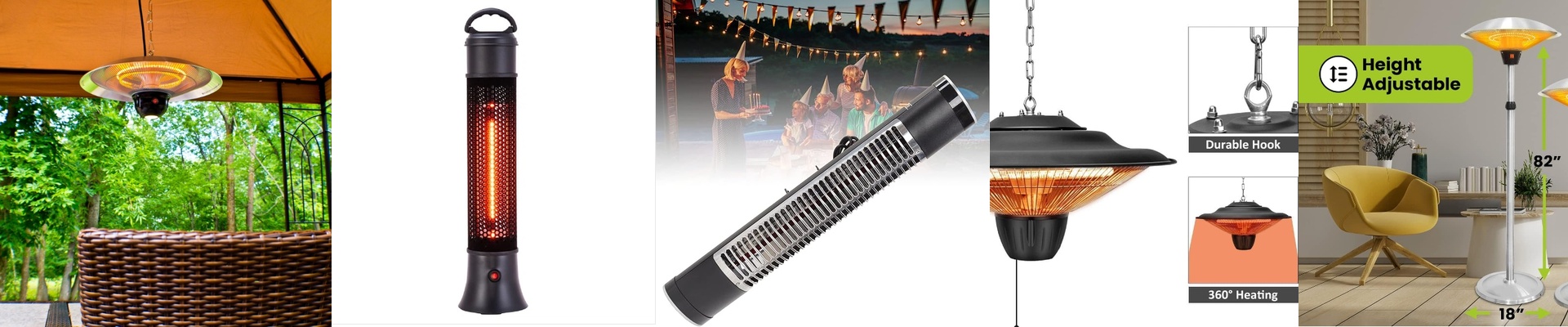
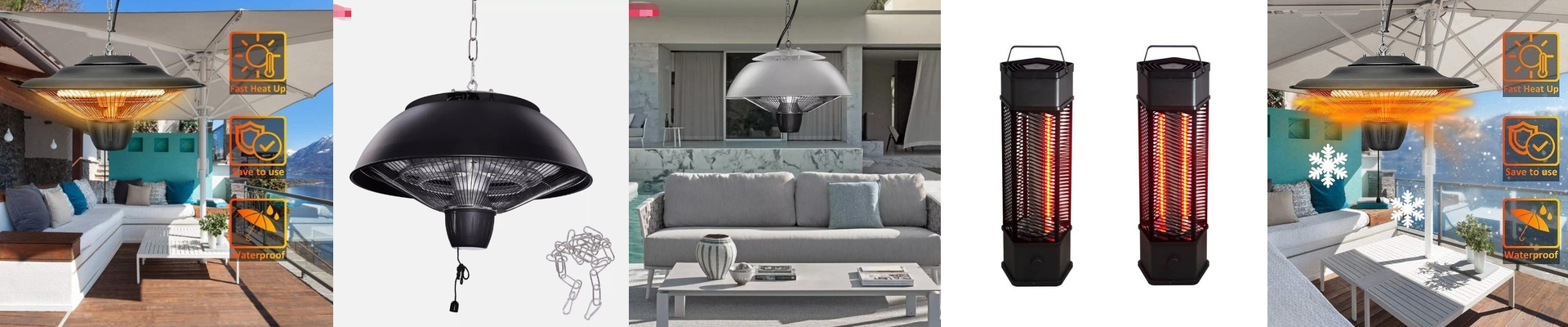
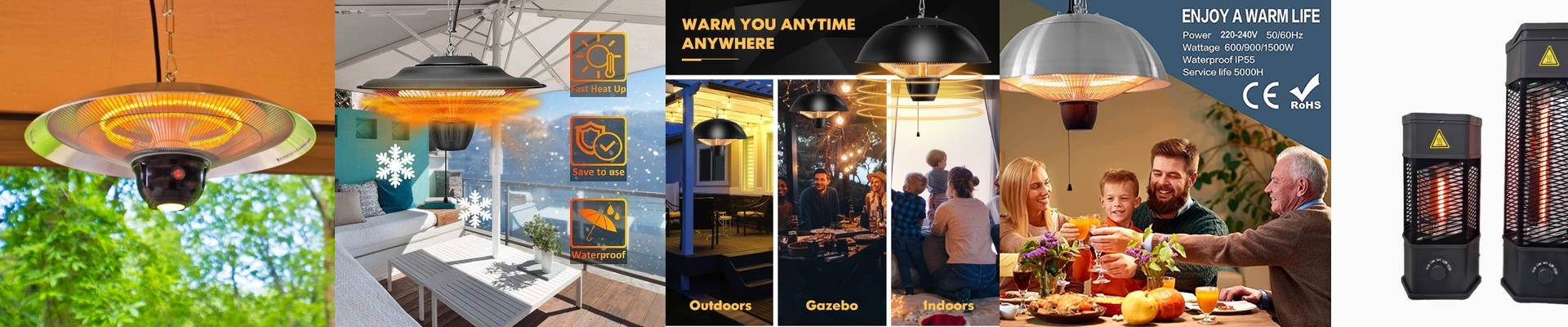
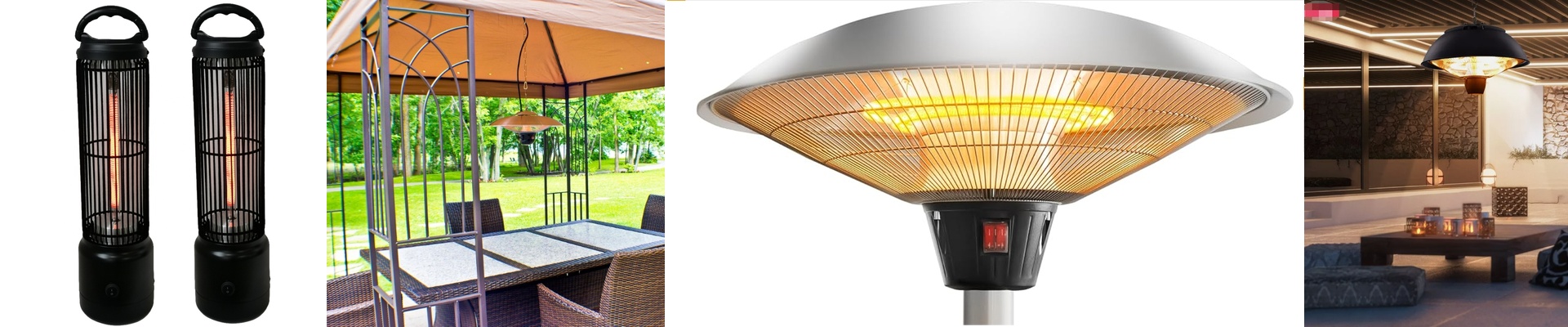
A bathroom that never gets warm isn’t just annoying—it’s a constant shock that kills comfort and pushes your energy bill higher. For bathrooms of different sizes, the key isn’t chasing peak temperature. It’s about getting the right warmth fast, without wasting kilowatt-hours. Infrared heating lamps throw radiant heat that warms people and surfaces directly, so you feel the comfort long before the air ever warms up.
What matters under the hood
Infrared bathroom heaters are usually built around quartz tubes, giving you short-wave and medium-wave output for strong, directional warmth. Power choices start around 150W for a tiny powder room, step up to 250–300W for an average bathroom, and go to 400–600W for larger rooms or spaces with poor insulation. A 150W unit can make a tight area feel comfortable without overshooting, while a 600W unit can cover a generous footprint when the room has tile, glass, and outside walls. Most models run on a standard 120V circuit and mount overhead, with hardwiring or a simple plug connection depending on local code and your ceiling setup.
Why this approach clicks in a bathroom
In a bathroom, warmth is all about timing and control. Infrared heats you on contact, so you feel comfort almost immediately—no waiting around for a fan heater to push warm air around the room. Matching wattage to room size keeps the heat closer to what you actually need, which helps keep energy use in line. Because the warmth is directional, you can aim the lamp where it matters most—over the vanity or near the shower entry—and avoid heating empty corners. You get a room that feels cozy the moment you step in, and a heating cycle that finishes faster without running longer than it has to.
The practical details you need
Infrared lamps are straightforward to install, but placement matters. Mount at a safe height and angle to avoid direct eye exposure, and follow the spacing guidance for the wattage you pick. Check the fixture’s IP rating for bathroom use—IP24 is common in areas that can get splashed. Infrared is spot warmth, so in very large bathrooms, two lower-wattage units often make more sense than one oversized lamp. And before you hardwire anything, confirm your circuit capacity and local electrical requirements. Warmth should be easy. Match the wattage to your bathroom, and infrared heating turns comfort into something you can count on, day after day. (Note: This content is for informational purposes only. Electrical installations must comply with local codes and should be performed by a qualified professional.)