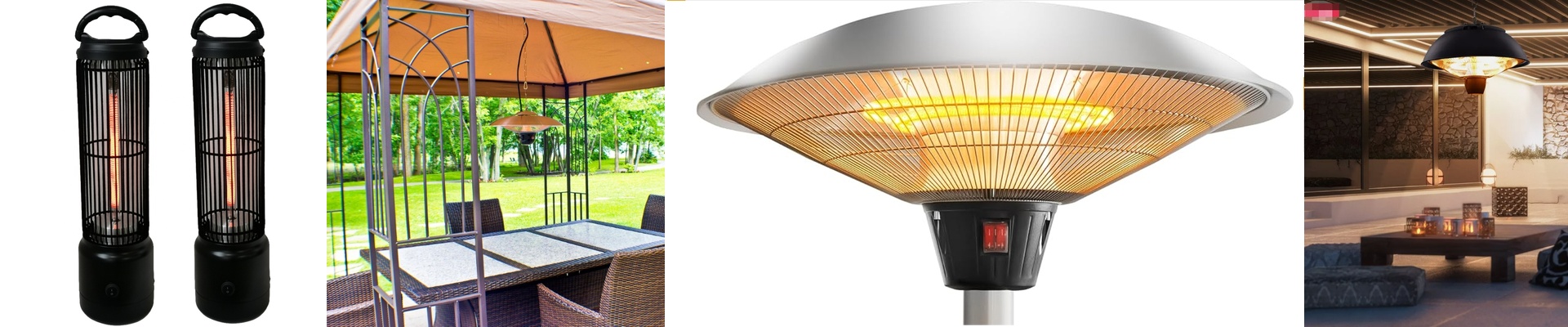
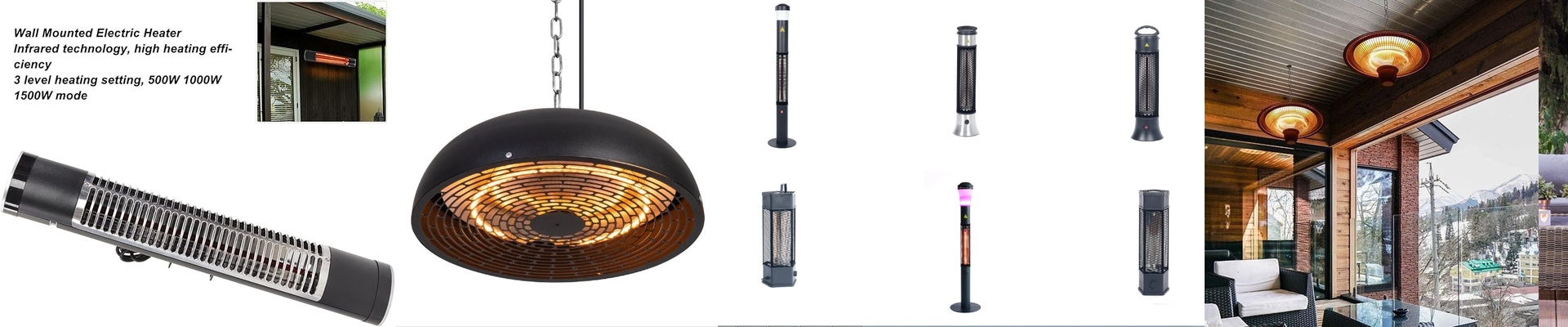
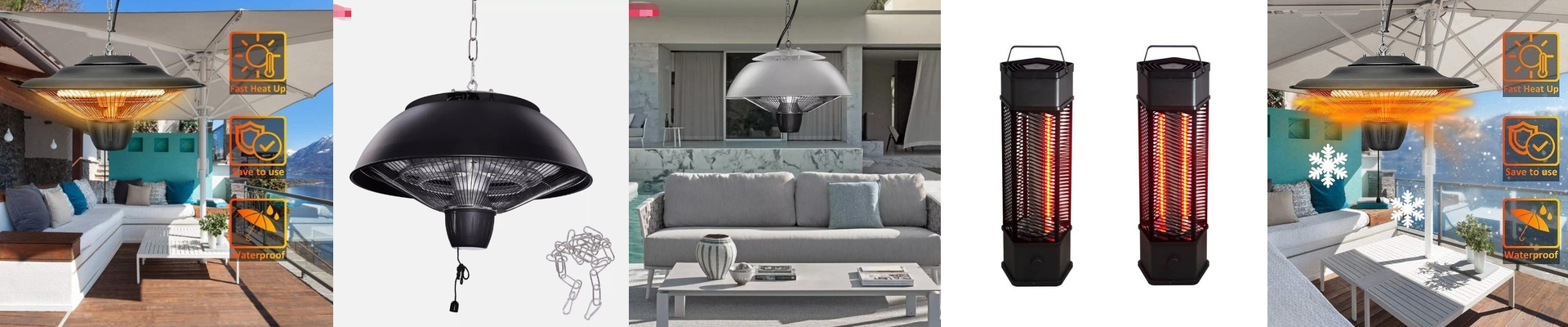
When the mercury drops, your smart home shouldn’t be left waiting on a heater that’s slow to react. It needs a partner that responds the moment the thermostat calls—no wasted watts spent heating up cold internals. That’s the advantage of a commercial electric heater built around true low thermal inertia.
What’s under the hood
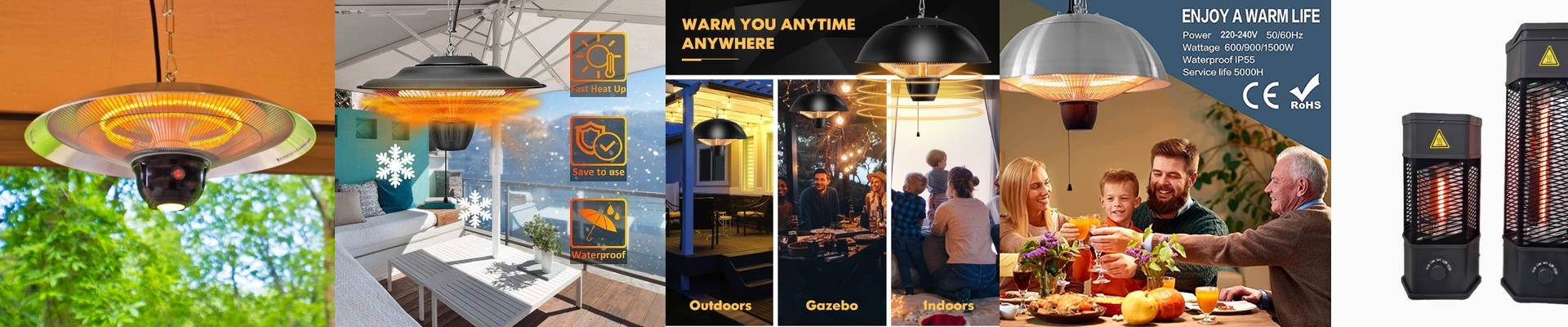
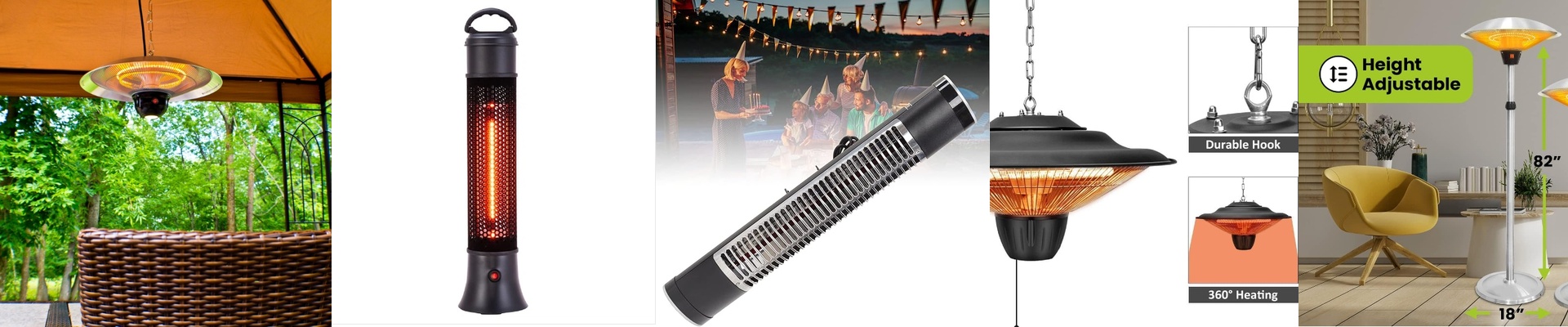
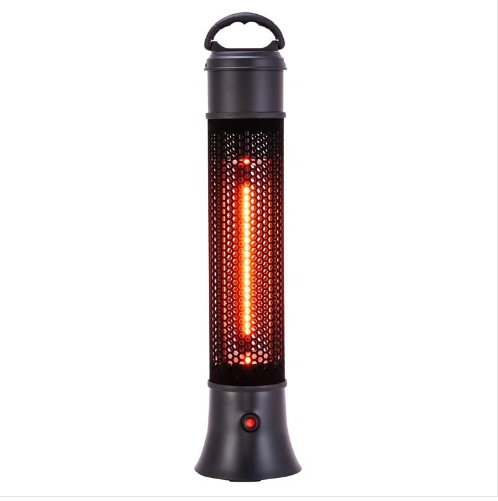
We built this around a carbon fiber infrared element. Forget the old convection approach that has to bring a big metal core up to temperature. Carbon fiber comes alive in seconds, and nearly all of the input power turns directly into radiant warmth. No long warm-up cycle. Just immediate, directional heat that feels natural—not forced. It runs on standard 240V, plays cleanly with smart thermostats, and the housing is IP55-rated. That means it can handle covered outdoor spots and high-humidity spaces without getting rattled.
Why it plays nice in a smart home
In a smart climate loop, thermal lag is the energy thief. Heaters that overshoot after a sluggish start waste electricity and cause uncomfortable swings. This infrared heater keeps pace with rapid setpoint changes, so the system doesn’t run longer than it needs to. You get steadier comfort, and your energy use drops because power only flows when heat is actively being delivered. For patios, sunrooms, and open-plan living areas, you get warmth right where you want it, exactly when you want it.
A couple of practical notes
Infrared warms people and objects directly, so the air can feel cooler than the floor area suggests. Pair the heater with a smart sensor that reads surface temperature, not just air temperature, for the tightest control. The carbon fiber element has long life, but it performs best when mounted with an unobstructed line-of-sight to the main seating area. Too many obstructions, and the perceived warmth drops off.