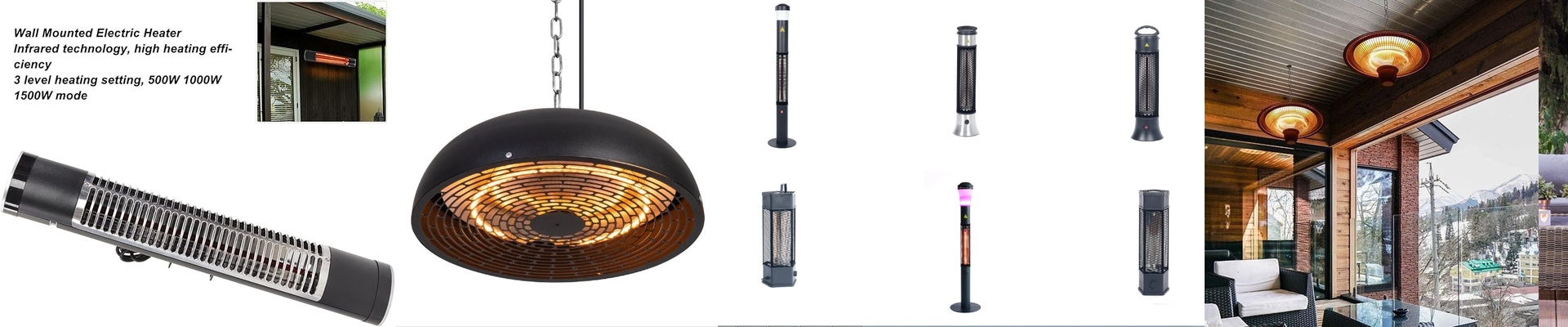
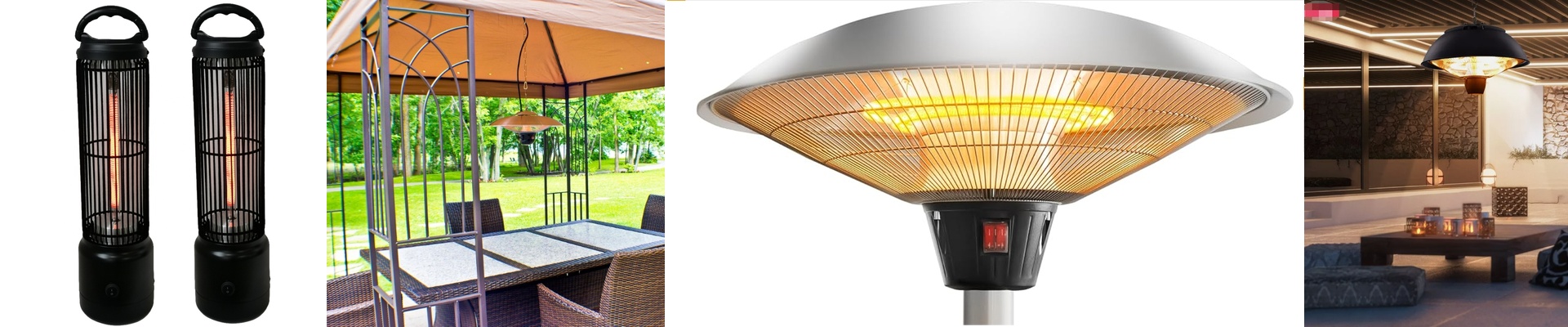
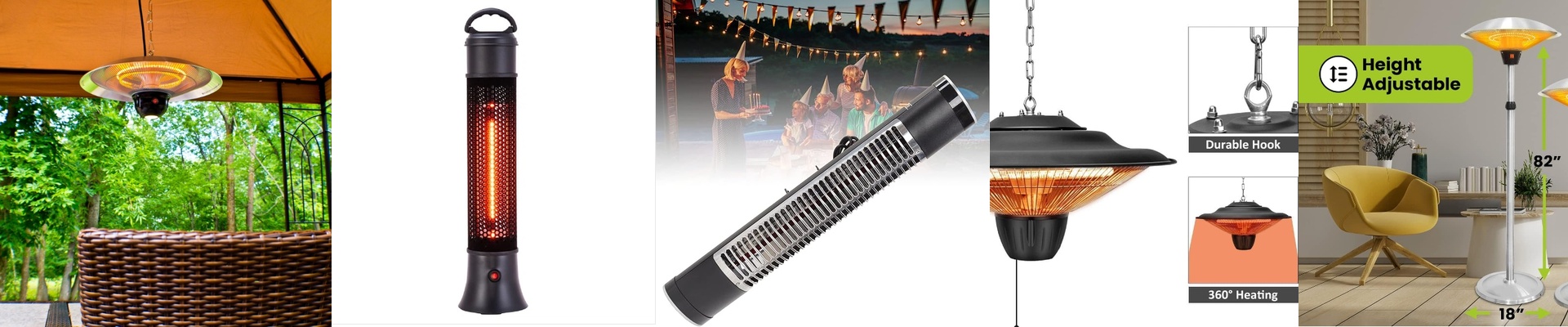
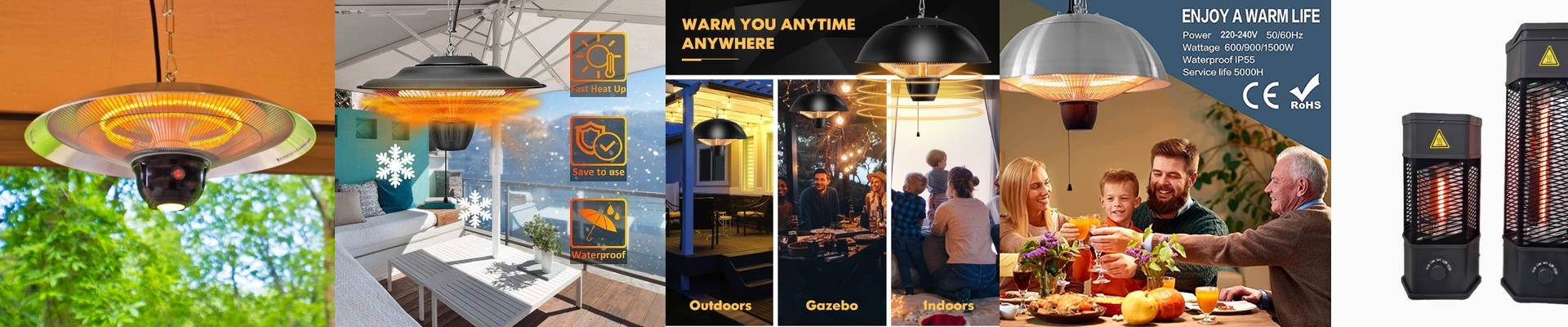
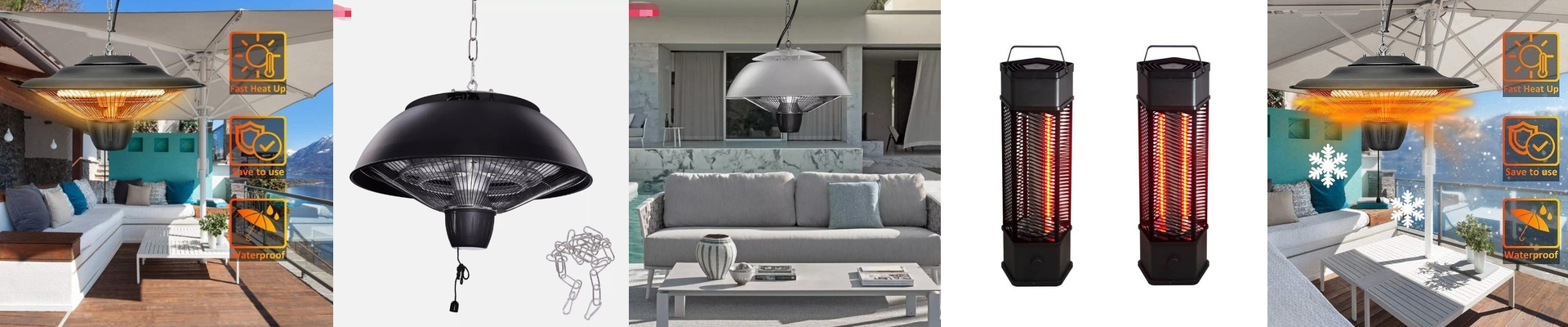
The Reality of Outdoor Heating
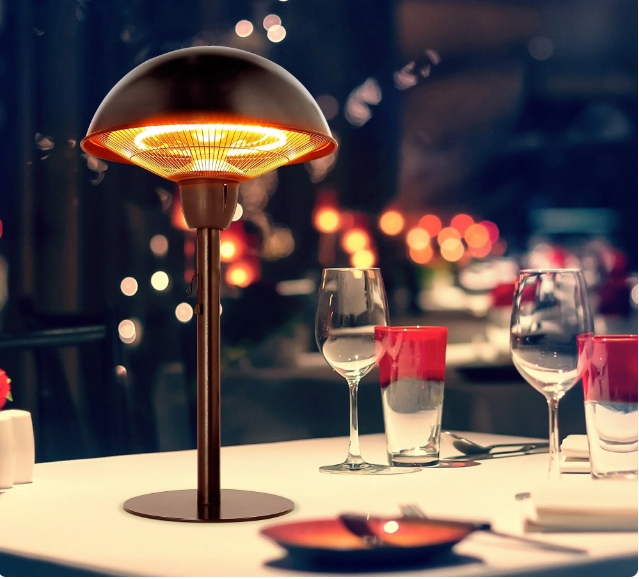
Let’s cut to the chase: a waterproof infrared heater for your pergola isn’t just some gadget that makes things warm. It’s an outdoor-rated piece of equipment, built to put up with rain, wild temperature shifts, and the constant on-off cycle of daily use. We design these heaters around one simple promise: they keep working, even when they’re soaked.
Power, Voltage, and Output—Kept Simple
We size the heater to give you steady, reliable warmth in an open space. It runs on standard mains voltage, with power matched to the size of a typical pergola—enough to keep you cozy without tripping the circuit. And it’s intentionally compact. That means you can mount it right where you need it, close to your seating area, without taking up a bunch of room. Heat goes where you want it, and less gets wasted.
Why the Aging Test Isn’t Optional
Inside, you’ve got an infrared element, sealed inside a waterproof housing. Then we put every unit through a brutal aging test—running it nonstop in a hot, humid box that mimics the worst weather. Why? Because that accelerated cycle finds the weak spots that show up later in real life—seals that give way, terminals that corrode, filaments that fatigue. If a seal can’t handle steam and condensation, moisture gets in and the lamp dies. We force those failures in the lab so you never have to deal with them in your backyard.
What This Means When You Install It
On the install side, it’s built to make your life easier. Wiring is straightforward, and mounting is secure. Because the construction is truly waterproof, it can face rain and splashes directly—no need to build a protective enclosure. That translates to fewer steps to weatherproof the install, and fewer callbacks. A couple of practical notes: the heat is focused, so the structure and nearby materials need to handle higher temps. And you’ll want to give it enough clearance so airflow and surface temperature stay in check.