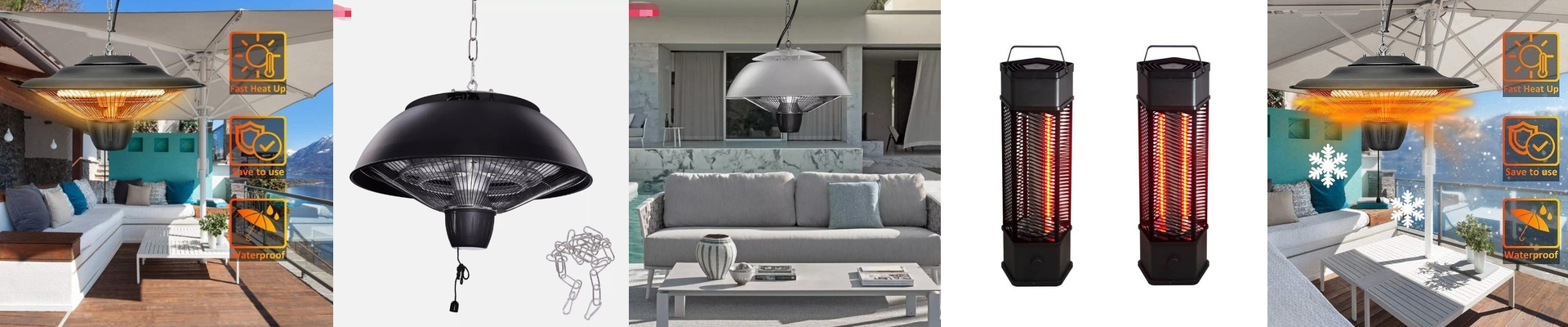
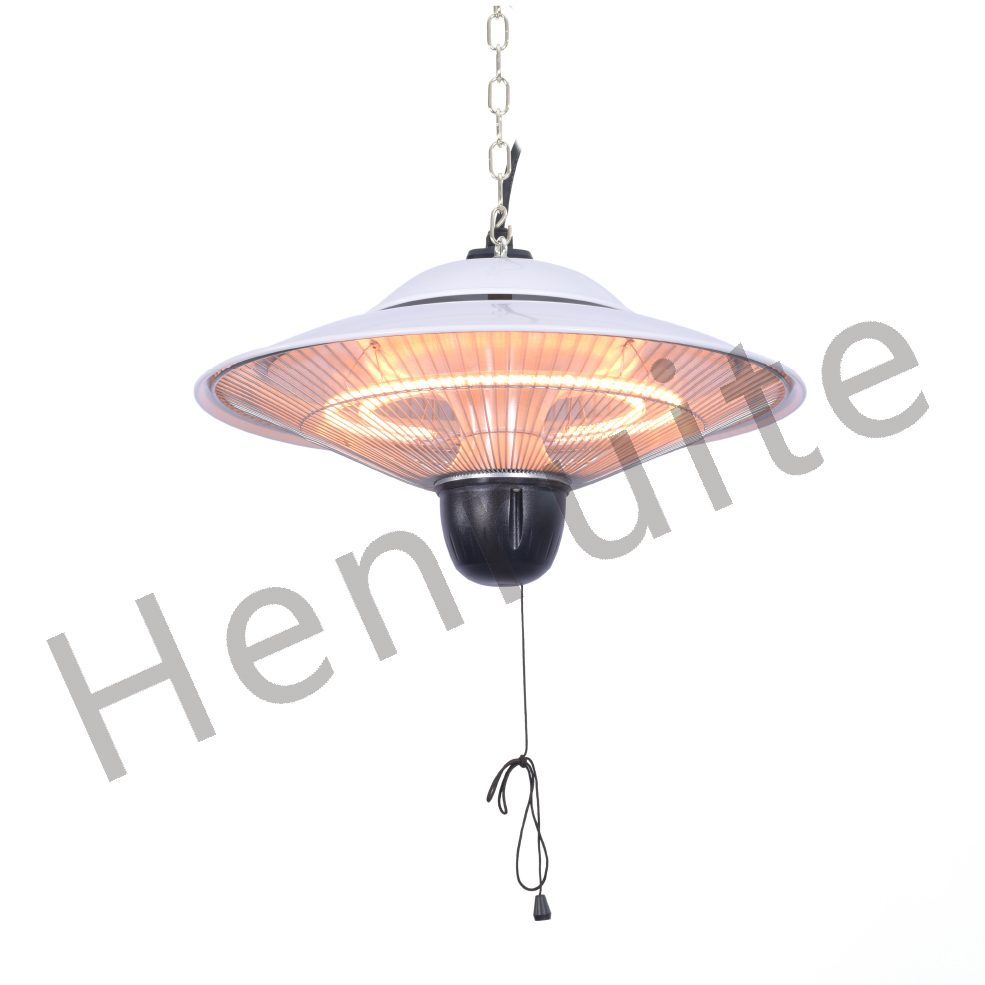
Stop Letting the Cold Kill Your Patio Revenue
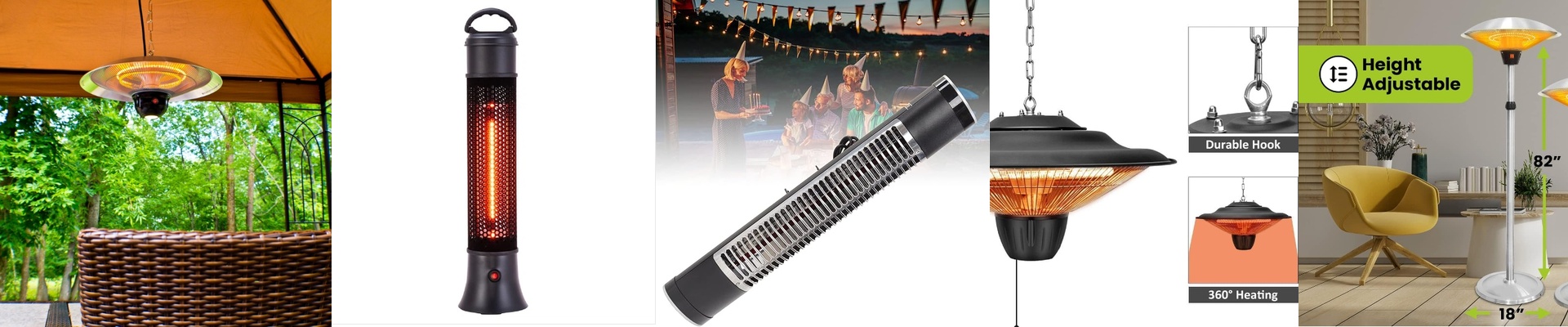
Here is the reality: the second the thermometer dips below 15°C, your outdoor seating becomes a ghost town. Most people try to fix this with standard space heaters. The problem? They try to heat the air. But outdoors, the air just blows away. You’re basically paying to heat the sidewalk. We do things differently. We use shortwave infrared. Instead of fighting the wind, these heaters send out waves that warm up people and objects directly. It feels like sitting in the sun on a crisp autumn day. The wind can howl all it wants—your guests will still feel toasted.
Built for the Elements
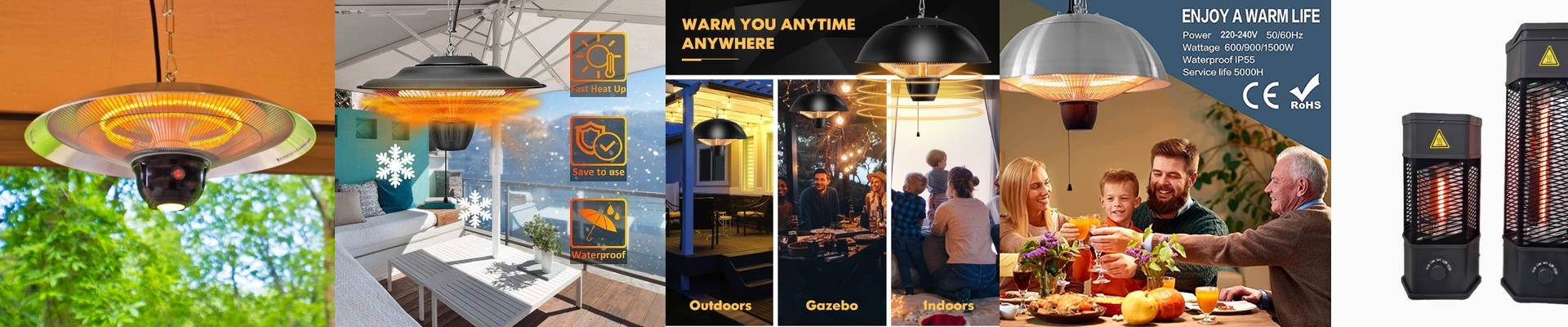
Outdoor gear takes a beating. Rain, snow, grime—it’s a lot. That’s why we use IP66-rated housings. In plain English? They’re dust-tight and can handle high-pressure water jets without breaking a sweat. You can tuck them under awnings or bolt them to exposed ceilings and stop worrying about short circuits or rust. We also use powder-coated aluminum, so the humid air won’t eat away at the chassis.
Keeping Guests Happy (and Staying Longer)
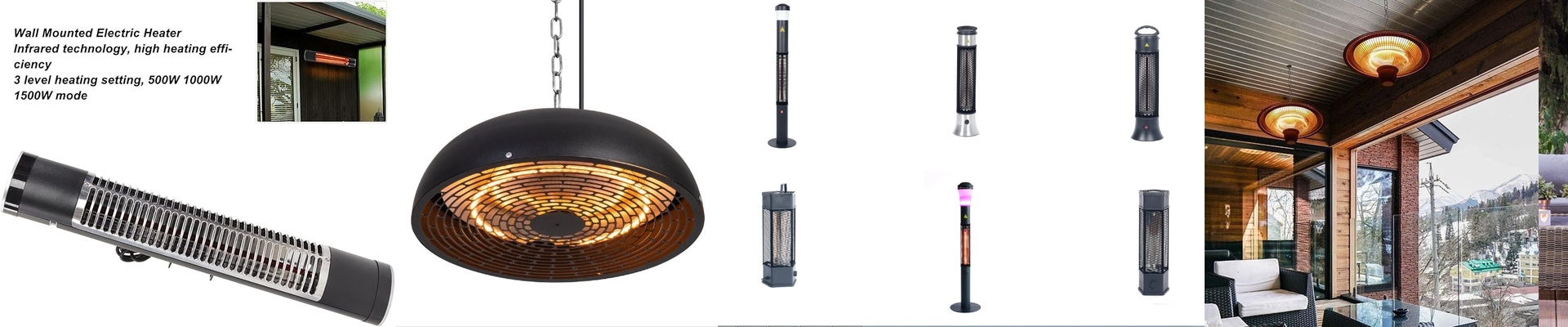
Nobody likes that “cold shock” when they first sit down. If a guest is shivering, they’re going to rush through their meal or, worse, ask to move inside—which crowds your indoor space and messes up your flow. Shortwave lamps are fast. Really fast. They hit full temperature almost instantly, so the warmth is there the moment the customer hits the chair. One tip: we tweak the wattage based on how high you mount the units. The higher they go, the more power you need to keep that heat dense at table level. Just make sure to check your electrical panel first. You don’t want to trip a breaker right in the middle of a Friday night rush.
The Bottom Line
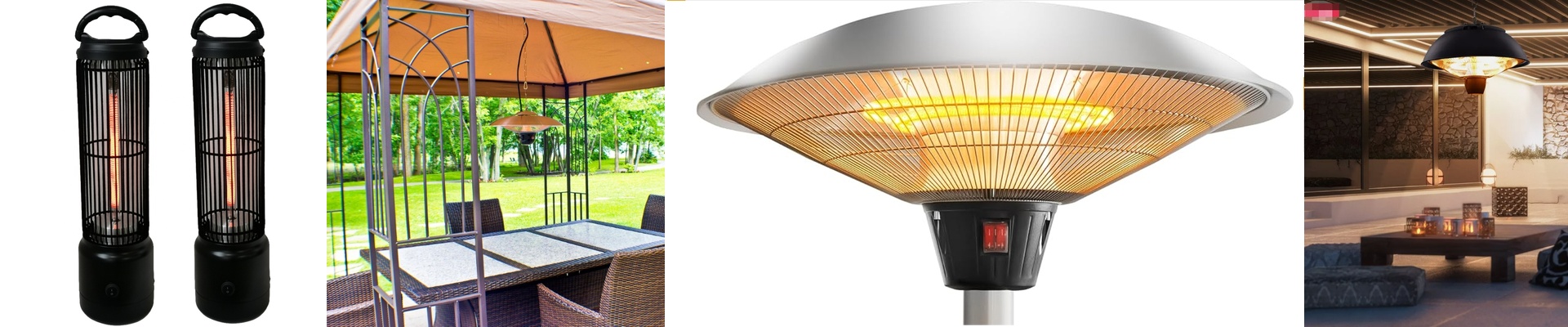
Think of this as turning your terrace into a year-round money maker. If you can keep your patio open for an extra three or four months a year, you’re drastically increasing your seating capacity. More seats, more covers, more profit. It’s pretty simple math. Just a heads-up: infrared heat is directional. It goes where it’s pointed. If you space the heaters too far apart, you’ll end up with “cold spots” where guests feel left out. We usually suggest a staggered layout. It ensures the warmth is spread evenly across the whole floor, so every table feels like the best seat in the house.