


Why Your Bathroom Heater Is Actually a Moisture Fighter
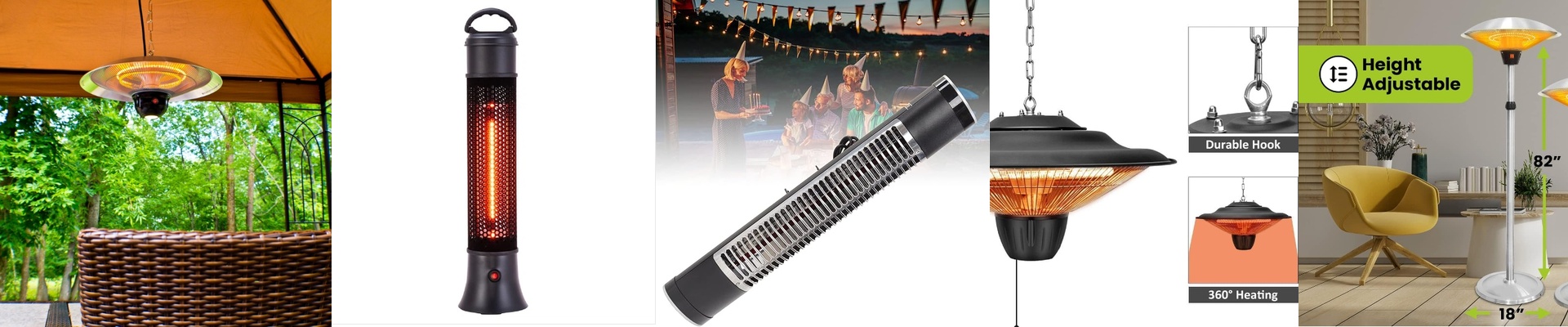
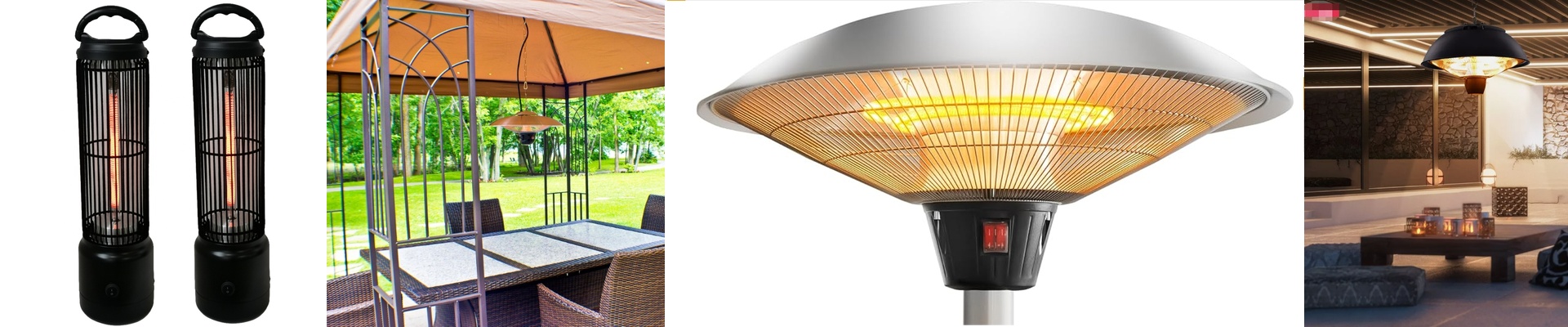
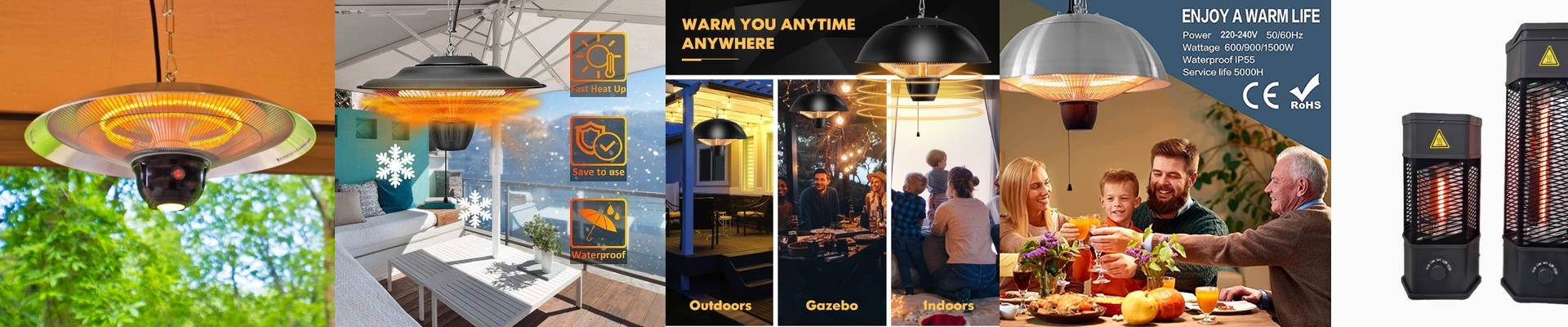
Most people look at a 1500W ceiling heater and think, “Great, I won’t freeze my toes off in the bathroom this winter.” But there’s a lot more going on under the hood than just keeping you warm. We aren’t just blowing hot air around. We’re using infrared (IR) radiation to go after moisture where it actually hides.
The secret to dry walls
Here is how it works: we design these lamps to send out specific wavelengths that dive straight into water molecules. Standard heaters try to warm up the air, but IR waves ignore the air and hit your walls, floors, and ceiling directly. It warms up the actual materials of the room. As long as those surfaces stay warmer than the “dew point,” water can’t settle and condense. No condensation. No standing water. And that’s the real way to stop mold before it even starts.
The nitty-gritty stuff
To get this to work in a normal-sized bathroom, you need a decent amount of power—which is why we go with 1500W. We use quartz glass for the bulbs because it lets the IR light through while keeping the heat where it belongs. One quick heads-up: make sure your wiring can actually handle the load. If your wires are too thin, you’ll get voltage drops. It’s a silent killer for these lamps and will wear them out way faster than they should.
A word of caution
Now, it’s important to remember that IR heaters don’t “suck” water out of the room like a vacuum. They evaporate it. If you blast a high-wattage lamp in a room that’s completely sealed off, you’ve basically just built yourself a sauna. You still need a way for that steam to leave the building. The best setup? Pair the lamp with a small, low-CFM fan. The lamp dries the surfaces, and the fan pushes the damp air outside. That’s the only real way to keep a humid room healthy and dry.