Stop Throwing Away Your Towel Rails
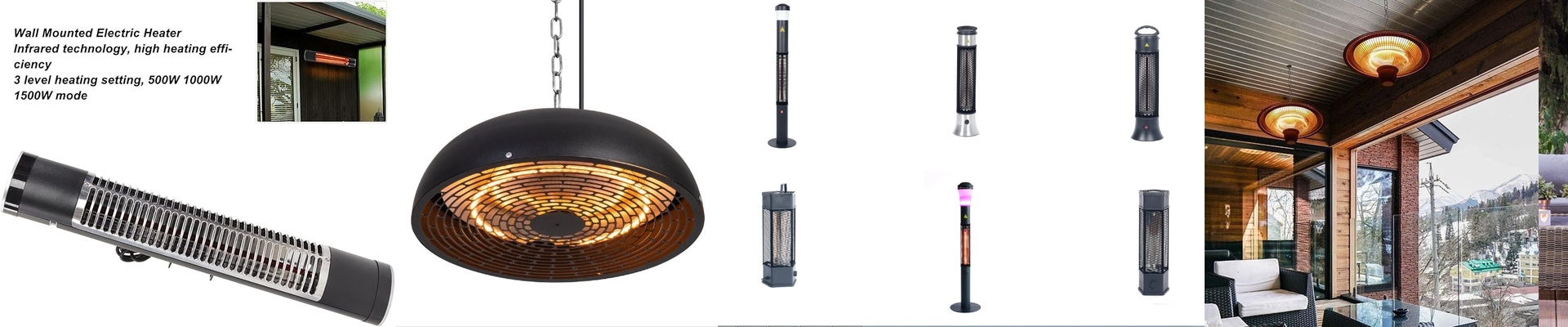
Most towel rail heaters are built like a black box. Everything is sealed tight. Then, five years down the road, a heating element burns out, and you’re stuck. You can’t fix it. You just rip the whole thing off the wall and toss it in the scrap heap. It’s a waste. So, we decided to do something different. We went with a modular infrared design. The “Slide-and-Swap” Approach Instead of burying hard-wired coils inside the frame, we use slide-in infrared modules. Think about what that actually means for you. If a tube dies, you aren’t spending your afternoon cutting wires or tearing the chassis apart. You just pull the dead module out and drop a new one in. It turns a full day of installation headaches into a ten-minute swap. How it Actually Works We use shortwave infrared emitters. The best part? You don’t have to wait for a massive hunk of metal to heat up before you feel anything. It’s immediate warmth. We also spent a lot of time on the connection points. We used reinforced terminals because heat makes metal expand and contract, which usually loosens things up. That leads to arcing and, eventually, a dead heater. Our plug-and-play setup keeps the electrical path clean and tight. The Honest Trade-off Look, no design is perfect. By making it modular, we added more connection points than you’d find in a single soldered circuit. Every joint is a spot where something could go wrong if you’re sloppy. You have to make sure the modules are clicked firmly into the clips. If they’re loose, vibration will wear them down over time. Just lock them in, and you’re good. Why This Matters for the People Running the Building If you’re managing a facility, this is a huge win. You don’t have to call in a contractor every time a heater quits. A technician can carry a handful of spare tubes in their pocket and refresh an entire floor of bathrooms in an hour. We built it this way because we’re realistic. Hardware takes a beating. By treating the heating element like a part you can replace—kind of like a lightbulb—the rest of the equipment actually lasts.