



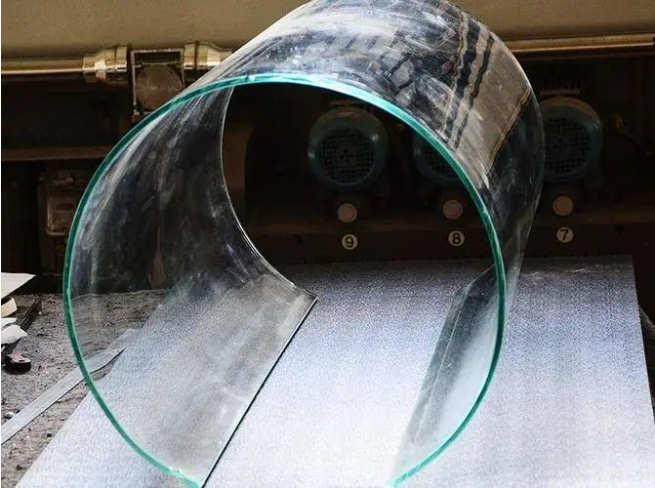
On the floor, a tempering or lamination line doesn’t forgive hesitation. If the preheat misses, you feel it right away: thermal stress cracks during bending, bubbles in the lamination stack, and coating issues that only show up at final inspection. One reject costs you material, energy, and downtime. Precise heating isn’t a nice-to-have—it’s the first constraint in the process. What matters under the hood We build the preheater around short-wave infrared (SIR) quartz elements. They dump energy directly and fast, with tight control. The geometry is laid out to give a uniform thermal field across the glass, so you don’t get edge-to-center spread that drives bow and stress. Modular zones match line speed, each independently controlled, so you can hold the soak profile without chasing the conveyor. Output density is sized for high-throughput lines, and the mounting interface drops straight in where standard OEM modules live. Why this plays in our world In tempering, a stable preheat profile cuts breakage at quench by lowering thermal shock. In bending, consistent heating keeps localized hot spots from showing up and keeps sag behavior repeatable. In lamination and coating drying, the preheater hits the activation temperature quickly, so you shorten cycle time without scorching films or interlayers. The payoff is fewer rejects, higher first-pass yield, and output you can count on. Energy use drops because heat comes on demand, responds fast, and standby loss stays low. The shop-floor details that make or break it Installation is straightforward, but alignment is everything. Even small gaps or uneven clearances will cook up hot spots and drift. The preheater performs best when glass emissivity is stable and the line environment is controlled—airflow and dust scatter heat and throw readings off. Build in routine checks on element condition and thermocouple calibration; on high-output lines, that maintenance window earns its keep in uptime.