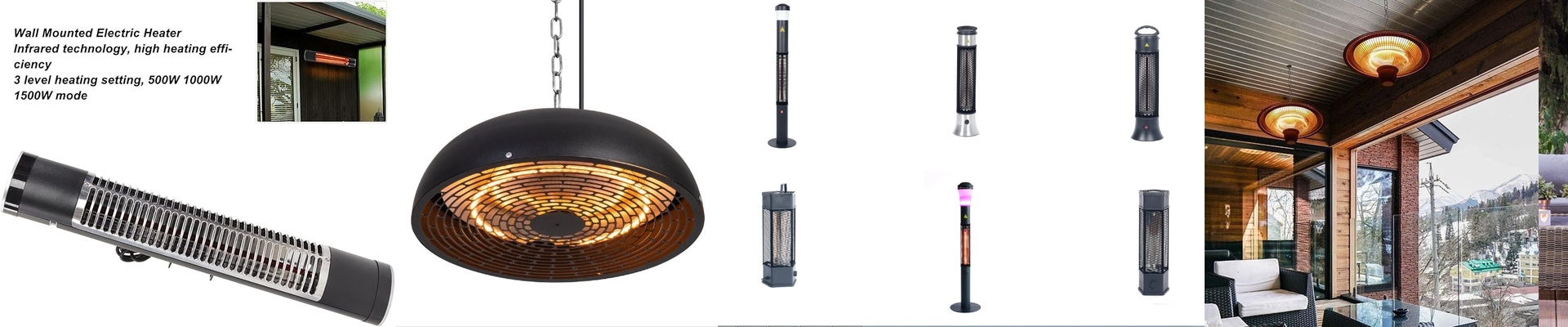




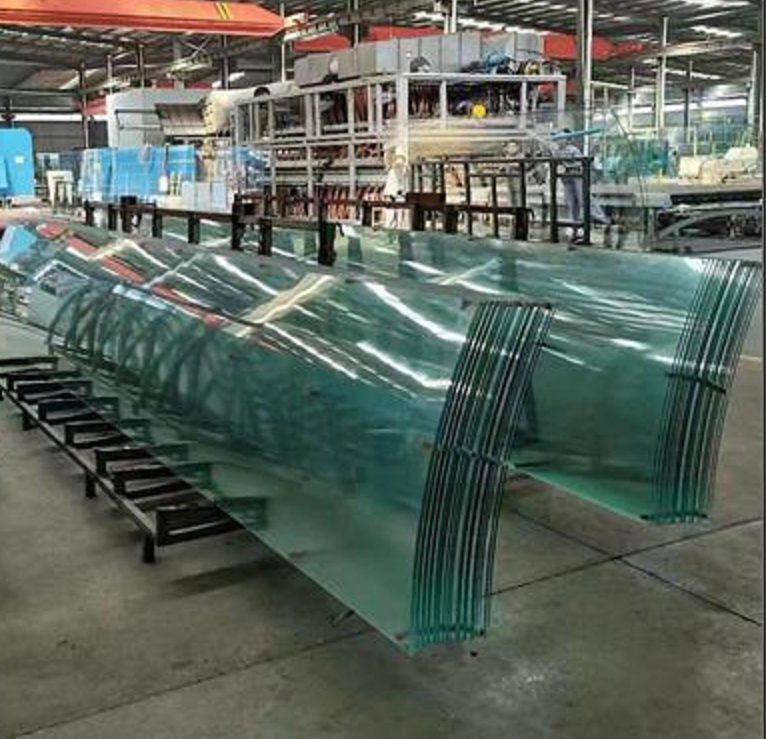
On the glass line, heat is the tool—and the lamp is how you grip it. When the heat-resistant wire inside the lamp starts to sag, oxidize, or lose output, the furnace profile drifts. Then the bent glass splits at the crown, the tempering quench leaves stress marks, and the lamination cycle starts to drag. We built our heat-resistant lamp wires for exactly these moments—when uptime, repeatability, and thermal stability decide whether the shift ends on spec or in scrap. What matters under the hood Our lamp wires use quartz-halogen or NIR elements matched to how glass and coatings absorb heat, so the heating curve responds fast and stays under control. The conductors are rated for high temperature, with terminations that hold up to repeated thermal cycling. We size the specs for actual plant loads: consistent power density, stable resistance at operating temperature, and predictable emissivity along the lamp length. In practice, that means less overshoot in the preheat zone and a more uniform thermal field during coating drying—so you hit the setpoint instead of chasing it. Why this plays where it matters In hot bending, the preheat section has to bring glass to forming temperature evenly; our wires help keep that profile steady, which cuts down on optical distortion and edge cracking. During tempering, the oven and quench zones need stable heating to keep break rates down. On the EVA/SGP/PVB lamination line, the cure profile is a straight time-temperature contract—keep the lamp output steady and you suppress bubbles and get repeatable adhesion. Coating drying and insulating glass sealing also run better when the heat is controlled and repeatable, which means fewer reworks and steadier throughput. A few shop-floor basics These wires run hot, and performance hinges on the fixture. Match the lamp to the reflector geometry, keep terminals clean and torqued to spec, and make sure the voltage lines up with the zone supply. Handle with dry gloves and avoid contact contamination—oils and residues can create hot spots and shorten life. Plan replacements around scheduled maintenance; even with high-temperature materials, the operating temperature and atmosphere set the service interval.