
Why Your Glass Annealing Quality Slips Mid-Batch (And How to Stop It)
Ever notice how the first few trays of glass come out of the oven looking perfect, but by the time you hit the end of the batch, things start going sideways? You get internal stress, weird tempering, or just general inconsistency. Most engineers immediately start messing with the oven controller. They tweak the settings, run tests, and still can’t nail it. But here’s the thing: the controller usually isn’t the problem. The real culprit is almost always the heating lamps.
The problem with “close enough”
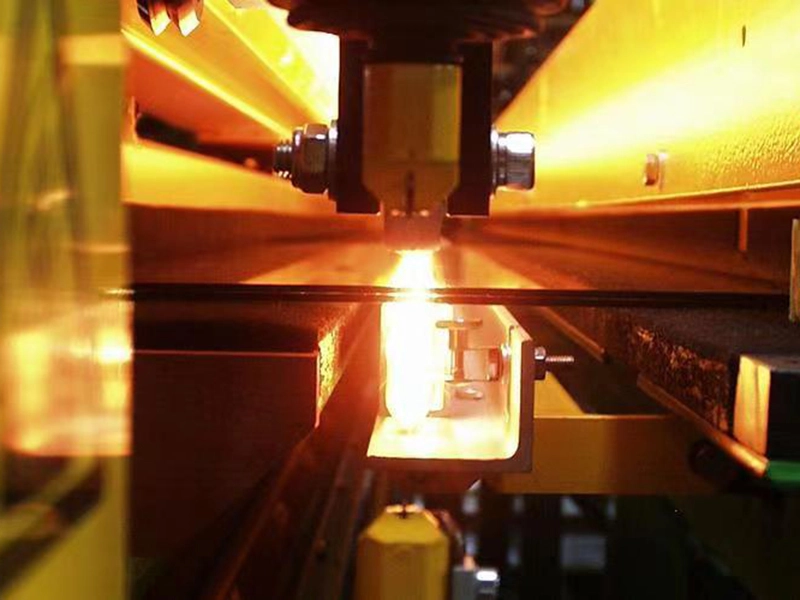
Imagine you’ve got ten quartz lamps in a bank. If each one has even a tiny 5% difference in wattage or how it puts out light, you’re creating a patchwork of hot and cold spots across your glass. In the world of annealing, a couple of degrees is a big deal. It changes how the glass cools, which leads to those annoying structural weak points or refractive indices that just aren’t right. It’s frustrating because you’re doing everything right on paper, but the hardware is lying to you. We deal with this by being obsessive about the filament winding and the purity of the quartz. When every single lamp pulls the exact same wattage at the same voltage, the heat stays flat. No more guessing. You stop fighting your equipment and actually start controlling the process.
The nitty-gritty on materials
We use custom quartz tubes because they let short-wave IR pass straight through without soaking up the energy themselves. Plus, using high-purity synthetic quartz means the lamps don’t burn out prematurely. One thing to keep an eye on: power density. It’s tempting to cram high wattage into a short tube to get more heat flux, but that puts a lot of stress on the electrodes. If you’re going with a high-density array, just make sure your wiring and contactors can handle that initial inrush of current. Otherwise, you’ll deal with flickering, and that’s the last thing you want during a precision cycle.
A reality check on integration
Now, switching to high-consistency lamps fixes the batch instability, but it isn’t a magic wand for a bad oven design. If your airflow is a mess and turbulent, you’re still going to see temperature swings. Think of it this way: these lamps make sure the energy going in is constant. It’s up to your ventilation to handle how that heat is pulled out to keep the whole cycle steady.