Stop Betting Your Production on a Spec Sheet
Buying a high-end quartz lamp based on a piece of paper is basically a gamble. Most people just check the wattage and the length, then hit “order.” But here’s the thing: in glass heating, the lamp is just one piece of a much bigger puzzle. We’ve seen it happen way too often. A plant spends a fortune on “premium” lamps, only to have them burn out in a couple of weeks. Why? Because the reflector angle was slightly off or the airflow was choked. The lamp didn’t fail. The system did.
The Reality of Quartz Heating
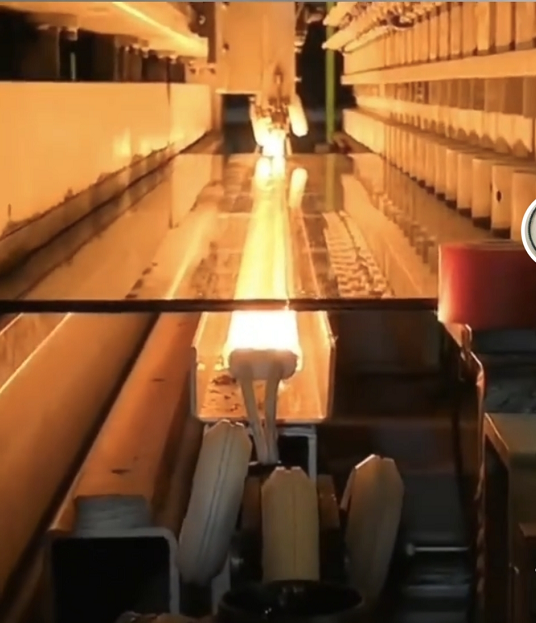
It all comes down to how the heat actually hits the glass. Whether you’re running shortwave or medium-wave, you want that heat on the glass surface, not melting your machine frame. High-wattage tubes get the job done fast, but they put a massive strain on your power supply. If your voltage is jumping around or your wiring is old and tired, those filaments are going to snap. It’s that simple.
Why “The Numbers” Lie
A lamp can be rated for 230V or 400V and have all the right connectors, but that doesn’t mean it’ll actually work for you. We care about the footprint. If a lamp is even a tiny bit too long for the housing, you get a dangerous hot spot at the ends. Too short? You get cold zones in your glass. We aren’t interested in just selling you a drop-in replacement. We want to look at how the heat is actually moving across your product.
Getting Our Boots on the Ground
This is why we prefer to actually come to your shop. We bring thermal imaging cameras to see what’s really happening on the floor. We look for “striping”—those annoying uneven heat lines that a spec sheet can’t fix. And there’s a trade-off. Better heat density means your cycles are faster, which is great for your bottom line. But it also means your cooling fans have to sweat. If we just crank up the wattage without checking your ventilation, you’ll end up melting your sockets. We figure out what’s broken first. Then we find the lamp that actually fits.