Stop Settling for “Custom” Quartz Tubes
Most suppliers have a pretty narrow idea of what “custom” means. Usually, it just means they’ll cut a quartz tube to a different length and call it a day. But if you’re actually in the trenches of glass tempering R&D, that doesn’t really help you. When you’re messing with new glass compositions or thin-film coatings, the total wattage is just a number. What actually matters iswhere that heat lands on the surface.
It’s all about the heat map
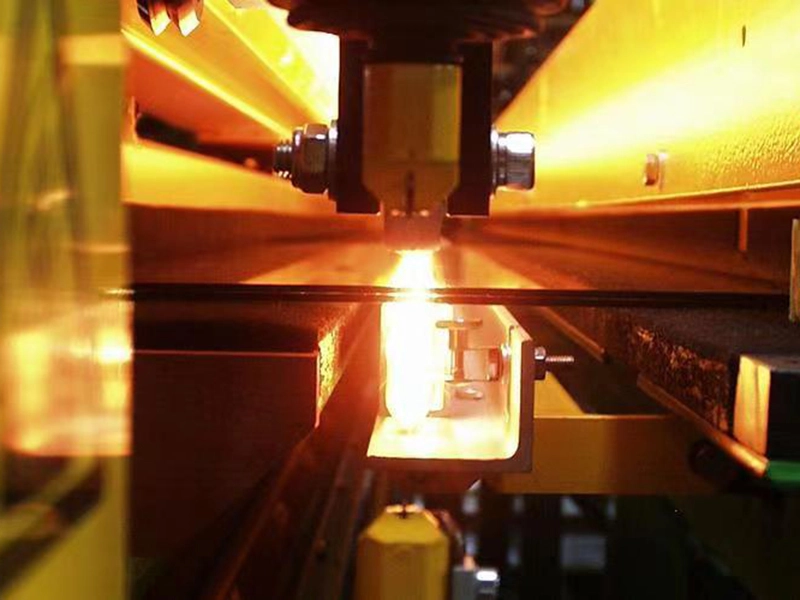
We spend our time thinking about power density distribution. In plain English: how many watts are hitting every single centimeter of that lamp? Standard lamps are boring. They give you a flat, uniform heat profile. But in a lab, you rarely want “uniform.” You might need to fight edge-loss or create a specific thermal gradient across the sheet to see how it holds up. By tweaking the filament winding and the voltage, we can shift the heat. Want it concentrated in the center? Done. Need it pushed toward the edges? Easy. It lets you test how your materials handle uneven thermal stress without having to tear apart and rebuild your entire furnace.
Getting the settings right
The best part is the freedom to spec out the exact wattage and voltage to fit your existing power supply. If you’re chasing extreme short-wave IR to get deeper into the glass, you’re going to need higher power densities. But a word of caution: when you cram a ton of wattage into a tiny footprint, you’re playing with fire—literally. If your cycling is too aggressive, you risk burning out the filament. You’ll want to make sure your PID controllers are tuned for the fast response times of these lamps. Otherwise, you’ll overshoot your target temperature before you even realize it.
Making the workflow actually work
Custom power profiles basically kill the guesswork. Instead of spending hours sliding the glass around or tweaking conveyor speeds just to find a “sweet spot,” you just build that thermal profile right into the lamp. We handle the hardware to match your models. You wire it up, run the test, and get data you can actually trust. It makes the whole cycle of testing new tempering recipes feel a lot less like a gamble and a lot more like science.