Getting Your Heat Right in 2m+ Glass Tunnel Kilns
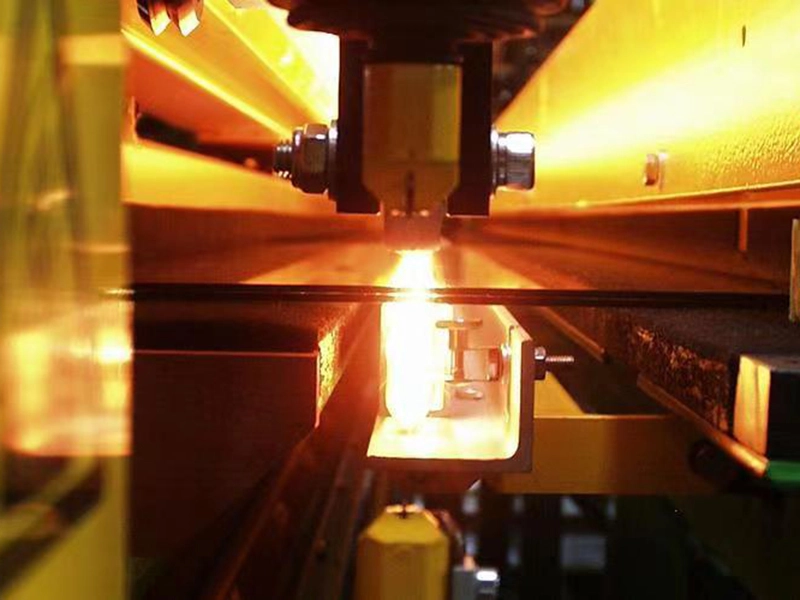
Most infrared lamps have a limit on how long they can get before things get messy. But if you’re running a massive glass tunnel kiln, you need heat zones that stretch past 2 meters without any gaps. The problem with standard lamps is the “cold spot”—those annoying dips in temperature between units. To fix that, we build custom twin-tube IR units. It lets you lay them out in one long, continuous run so the heat stays steady from start to finish.
The Electrical Headache
Scaling a heating element up to 2 meters isn’t as simple as just stretching the filament. If you do that, you’re basically asking the ends of the tube to burn out. We spend a lot of time dialing in the voltage and wattage to make sure the load is balanced. By using a twin-tube setup, we essentially double the heating surface in the same amount of space. You get a much denser blast of heat per meter, which is exactly what you need when you’re pushing a high volume of glass through the tunnel.
The Nitty-Gritty: Materials and Stability
We house the tungsten filaments in high-purity quartz. But for these long runs, the glass alone isn’t always enough. We often add specific coatings to the tubes so the heat actually sinks into the glass you’re processing, rather than just bouncing off. Then there are the connectors. In a long tunnel, these are usually the first things to snap. We use heavy-duty terminals that can handle the constant expanding and shrinking that happens when the system heats up and cools down. One more thing: support is everything. If a 2-meter tube sags even a little bit, you get a hot spot. And a hot spot is a death sentence for a filament.
A Few Things to Watch Out For
These units put out a massive amount of heat. Because of that, you can’t just slide them into an old frame and hope for the best. You’ve got to think about your cooling. If the air can’t move around the ends of the lamps, your connectors will overheat and you’ll be tripping breakers all day. We usually suggest adding dedicated heat sinks or some forced-air cooling right at the terminal blocks. It’s a small detail, but it’s the difference between a system that runs for years and one that fails in a week.