
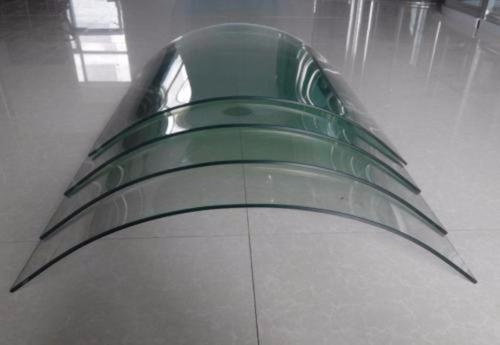
Stop Cracking Your Glass: A Real-World Guide to Tempering
If you’ve ever seen a piece of glassware shatter the second it hits a temperature spike, you know the feeling. It’s frustrating. That’s thermal shock—internal stress that just rips the material apart. To stop that from happening, we use single-tube shortwave infrared lamps. Why? Because they’re fast. Really fast. Unlike those old resistive heaters that take their sweet time to warm up, these lamps react the moment you tweak the voltage. It’s basically “instant tempering.”
Getting the Heat Right
Here is the thing: to keep glass from cracking, you have to ramp the heat up and down in milliseconds. We go with high power density so the surface of the glass hits the target temperature before the heat even reaches the core. It gives you a controlled gradient, which is exactly what you need to keep the piece intact. But you can’t just plug these into any old switch. You need a high-speed SCR or a thyristor power controller. If your controller is sluggish, you’re going to end up with a burnt-out lamp or a pile of broken glass. Not a great way to spend a Tuesday.
The Secret is in the Quartz
We use high-purity quartz envelopes for a reason. They let the shortwave radiation pass right through. The best part? Shortwave IR doesn’t waste time heating up the air around the glass—it goes straight into the material. This means your cycle times drop and you aren’t wasting energy heating your entire workshop. Plus, the tungsten filament is halogen-cycled. That stops the quartz from turning dark over time, so your heat output stays steady for the long haul.
Setting It Up (And What to Watch Out For)
Installing these is pretty easy—they’re designed to drop right into standard industrial footprints. But a word of warning: high-wattage tubes put out a massive amount of radiant heat. You’ve got to be smart about your cooling fans and the materials you use for the housing. If you trap too much heat inside the box, the quartz can actually soften or your connectors might oxidize. And please, for the love of everything, keep your reflectors clean. A little bit of dust might not seem like a big deal, but it can kill your efficiency by 20% or more. Just wipe them down. It makes a world of difference.