Getting Low-E Glass Preheating Right (Especially the Wide Stuff)
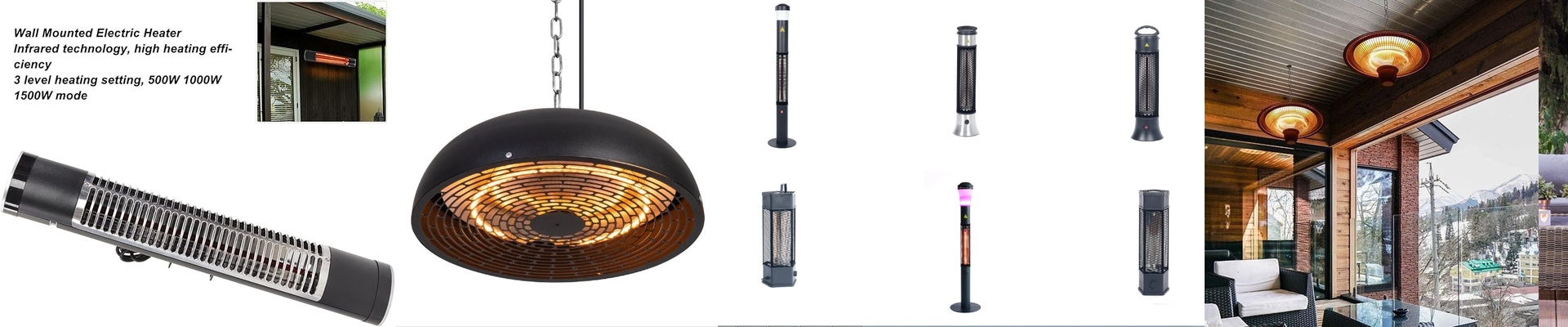
If you’re working with Low-E glass that’s wider than 3 meters, you know the struggle. You need the heat to be perfectly even across the whole sheet. But when you use those standard modular lamps, you almost always end up with “cold spots” right where the lamps meet. It’s a headache. We figured out a better way: building continuous, ultra-long infrared heating units. No joints. No gaps. Just one long, steady stretch of heat for your tunnels. The battle with thermal expansion Here is the thing: when you scale an IR lamp up to 3+ meters, physics starts to fight you. Quartz tubes expand and contract every single time you flip the switch. If you bolt them down too tight, they’ll just snap. To stop that from happening, we use specialized ceramic end caps. Think of them as a thermal buffer. They let the tube breathe and move without putting stress on the frame. We don’t just send you a generic part, either. We look at your specific tunnel layout and balance the wattage per meter. That way, you don’t accidentally cook the edges of the glass while the center is still struggling to hit the right temperature. Why the ceramic caps actually matter Those ceramic end caps do more than just hold the tube in place; they handle all the electrical heavy lifting. We use high-alumina ceramics because they can take the brutal heat soak from the filament without flinching. Without them, your electrical contacts would oxidize or literally weld themselves to the frame. When it comes to wiring, you can go series or parallel. But if you’re running 3-meter lines, we usually suggest a balanced voltage distribution. It keeps the power steady so you don’t get a voltage drop at the far end of the line. The real-world trade-offs Let’s be honest: these massive arrays put out a ton of heat. If your tunnel’s exhaust system isn’t up to the task, that heat just sits there. Before you know it, your support frames could actually start to warp. Make sure your airflow is dialed in. Also, there’s a catch with the long units. Since they aren’t modular, you can’t just swap out a tiny piece. If a tube burns out, you’re replacing the whole length. My advice? Keep at least two full-length spares on the shelf. It’s a lot cheaper than having your entire line go dark while you wait for a shipment.