Stop Wrestling With IR Tubes—Just Get the Module
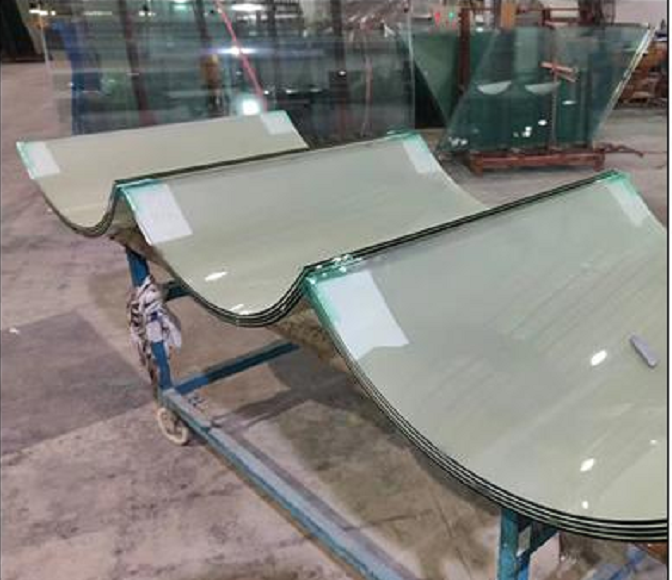
Let’s be honest: buying individual infrared lamps is a headache. You get the tubes, but then the real work starts. Your team has to bend the supports, mess around with wiring, and spend hours trying to get the heat to hit the right spots. It’s a lot of manual labor that doesn’t need to happen. We decided to fix that. Instead of sending you a pile of parts, we build complete, curved heating modules designed specifically for glass finishing.
Why the curve matters
If you’re working with glass, you know the struggle with stress fractures. One hot spot in the wrong place and the whole piece is ruined. Straight tubes just don’t cut it here. They create uneven heat. That’s why we build our modules to follow the actual shape of your workpiece. It means the IR radiation hits the glass at the same angle everywhere. No guessing. No surprises. Now, a quick heads-up on the power side. We’ll spec these based on your voltage and wattage, and while those high-wattage quartz tubes get the glass soft fast, they pull a lot of juice. Just make sure your controllers can handle that initial “cold-start” spike. You don’t want to be replacing blown fuses on a Tuesday morning.
Plug, play, and get back to work
We don’t just ship a lamp in a box; we send a drop-in replacement. Everything comes pre-wired with industrial connectors. You won’t have to spend your afternoon worrying about wire gauges or crimping terminals on the shop floor. You just plug it in. We also pick our quartz glass for high transmittance. And if your project needs it, we can add specific coatings to shift the wavelength. This pushes the heat deeper into the glass rather than just scorching the surface.
Less tinkering, more producing
The whole point here is to get you a turnkey setup. When you stop buying individual components and start using modules, you stop wasting man-hours. You can stop fiddling with jigs and start focusing on your cycle times. It’s a much cleaner way to work. One thing to keep in mind: these modules pack a punch. They generate a lot of ambient heat. If your oven’s ventilation isn’t up to the task, your external housing might get hotter than you’d like. Just double-check your airflow before you fire them up.