

Stop Killing Your Cutting Wheels on Thick Glass
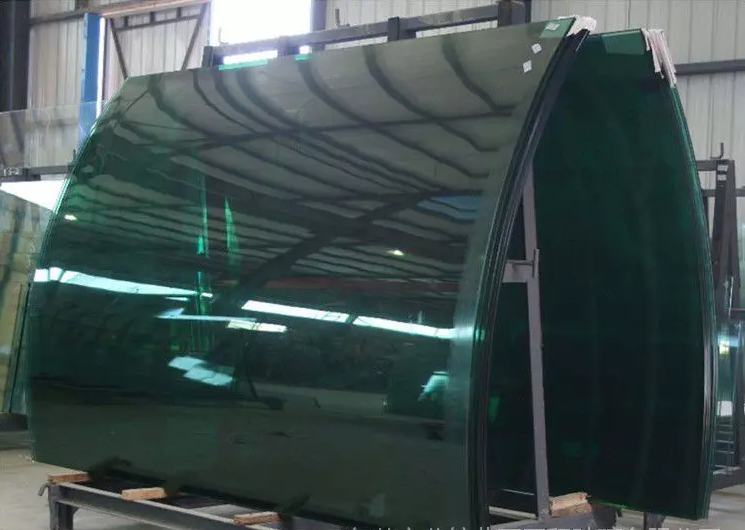
If you’ve ever tried to score ultra-thick glass, you know the feeling. It’s a grind. You can almost feel the cutting wheel struggling against the cold, stubborn surface. The result? Chipped edges, a lot of wasted material, and wheels that wear out way faster than they should. It’s frustrating and, frankly, expensive. We found a better way to handle this using shortwave infrared (SWIR) lamps. Instead of forcing a cold blade through rigid glass, we soften the path right before the wheel hits. Why shortwave IR? Here’s the thing: standard heaters usually just bake the surface. That doesn’t do much for a thick slab. But shortwave radiation is different. It actually sinks deep into the glass, warming it up from the inside out along the line you’re about to cut. When the glass is pre-heated, the tension drops. The wheel doesn’t have to fight so hard. It glides through, creating a cleaner fracture and—more importantly—saving your equipment from taking a beating. Your wheels simply last longer. Getting it set up You don’t need a massive, oven-like chamber for this. Because these lamps heat up so quickly, you can just mount a small array of them right in front of the cutting head. But you have to be careful. If you get too aggressive with the heat, you’ll end up with thermal shock or warped plates. To avoid that, we use a PID controller and a fast pyrometer. It keeps the temperature in that “sweet spot” where the glass is compliant but not stressed. A few things to watch out for It’s not all plug-and-play. These lamps pull a lot of power. If you’re setting up a wide table or a big lehr, make sure your electrical panels can actually handle the peak load. And then there’s the heat. These things gethot. If you don’t have solid shielding and some decent cooling fans, you’re going to fry your sensors and melt your wiring. Keep it cool, keep it balanced, and your wheels will thank you.