Dealing with “Dead Zones” in Complex Glass Annealing
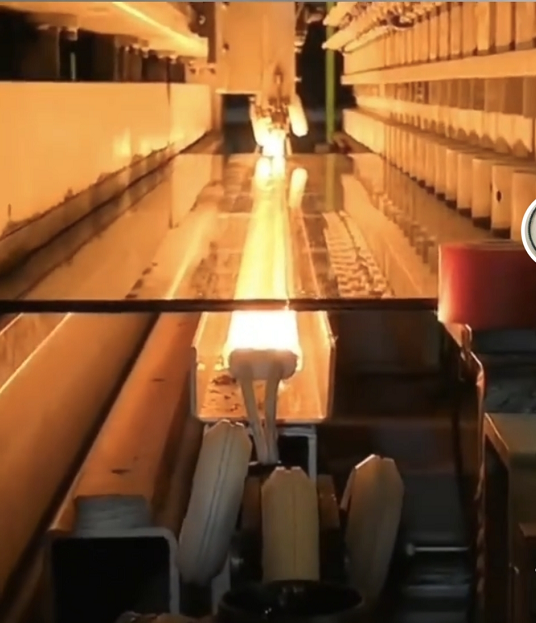
Ever tried annealing a piece with a narrow neck or a weirdly flared rim? It’s a total headache. Traditional convection kilns just don’t cut it because the air currents tend to skip right over those tight angles. You end up with “temperature dead zones”—basically cold spots that don’t get the memo. The result? Uneven stress relief, and then your piece spontaneously cracks long after it’s left the lehr. It’s frustrating, and it’s a waste of a good piece. Why IR actually works To fix this, we stop relying on air and start using short-wave infrared (IR) lamps. Here’s the thing: IR radiation doesn’t drift around like air does; it travels in straight lines and hits the glass surface directly. By setting these lamps up in a multi-angle array, you can basically “attack” the vessel from every side. It’s the only way to make sure the heat actually reaches those deep recesses and interior curves that air just can’t touch. Getting the setup right If you want rapid stress relief, you need heat density. That’s why we usually go with high-wattage quartz halogen tubes. They give you the punch you need to hit the annealing point without requiring a kiln the size of a garage. Pro tip: stick with R7s or Sk15 connectors. When a tube eventually burns out—and they will—you want to be able to just pop a new one in and get back to work. Also, pay attention to the length of your lamps. If the tube is too short, you’ll find a cold strip at the bottom of your glass. Too long? You’re just wasting electricity heating up the walls of your kiln. The trade-offs Now, there is a catch. Pumping that much thermal energy into a small space puts a lot of pressure on your electronics. If you cram too many lamps in there to kill off every last dead zone, your wiring and cooling fans have to be tough enough to handle the heat. If you skimp on ventilation, your lamps will die early or, worse, your insulation will start to melt. Just use high-temp leads to keep things safe and avoid any nasty short circuits.