
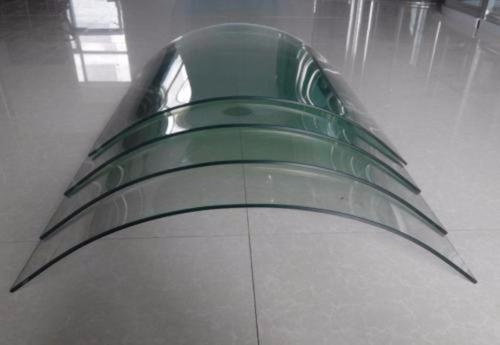
Getting the Heat Right for Mobile Glass Repair
When you’re building a mobile glass repair bracket, you’re basically fighting a war between power and space. You want a ton of heat, but you don’t have room for a massive heating rig. If you’re dealing with limited voltage and a tiny footprint, you can’t just throw a bulky array in there and hope for the best. You need shortwave IR elements. Why? Because they hit the glass instantly. No waiting around.
The Struggle Between Size and Power
Here’s the thing: to get a steady, even heat in a small setup, it all comes down to how much wattage you can cram into every centimeter. Since space is tight in mobile brackets, we use high-density quartz halogen tubes. They concentrate all that thermal energy into a small spot. It means your gear stays portable, but you still get that fast ramp-up speed you need for tempered glass. But you have to be careful with the power. If your mobile supply is on the weak side, we tweak the lamp’s resistance. It’s a balancing act. You want it to hit operating temperature quickly, but not so fast that you’re tripping breakers or melting your wires.
Making the Hardware Actually Work
We keep the connectors small so the whole thing doesn’t feel clunky. It makes the lamp a simple drop-in replacement for those old, oversized systems. And since we’re using shortwave radiation, the heat actually sinks into the glass. It doesn’t just warm up the air around the repair—which, let’s be honest, is a waste of time. One heads-up, though: these high-density lamps gethot. Like, really hot. If you jam them too tightly into a plastic housing or a thin piece of metal, you’re going to warp your frame or melt your bracket. You’ve got to build in some breathing room—heat sinks or ventilation gaps—to keep the ends of the lamp from cooking your equipment.
Why This Matters for the Repair
If you’ve ever worked with tempered glass, you know that uneven heat is the enemy. One cold spot and you’ve got a stress fracture. To stop that from happening, we set the IR elements up in a parallel layout. This kills off those annoying cold spots and makes sure the entire repair zone hits the target temperature at the exact same time. It makes the whole process faster. More importantly, it keeps the glass from cracking while it expands. It just works.