
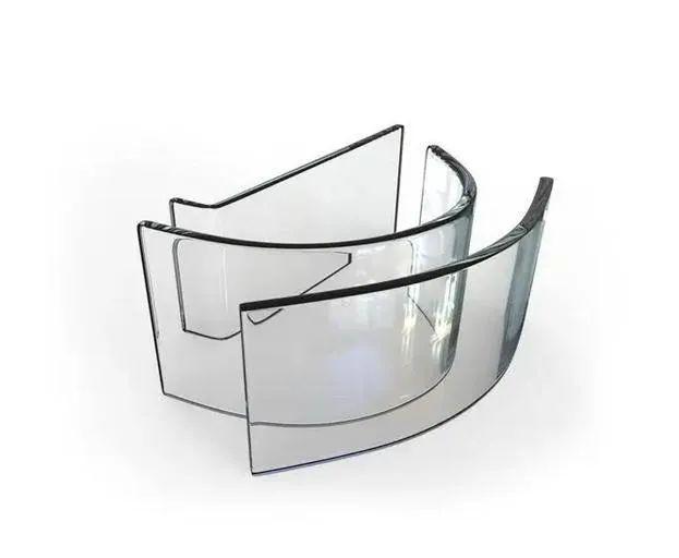
The Tug-of-War Between Sharp Patterns and Strong Glass
If you’ve ever tried to bake silk-screened patterns into tempered glass, you know it’s a bit of a balancing act. You need enough heat to actually stress the glass so it doesn’t shatter on you later, but if you push it too far? You’ll burn the ink or end up with blurry, bleeding edges. It’s a headache. That’s why we lean on SK15 ceramic lamp holders. They just handle the heat better. Why ceramic actually matters Look, plastic holders are fine for light work. But in a tempering oven? They warp. They melt. They basically give up. When you’re running lamps at full blast for ten hours straight, you can’t have your hardware becoming the weak link. We use ceramic for the SK15 interface because it doesn’t flinch at high temperatures. Plus, the spring-loaded contact is a lifesaver. Quartz tubes expand and shrink as they heat up and cool down; the spring keeps the lamp seated tight so you aren’t dealing with flickering or outages mid-shift. Keeping your lines crisp The secret to sharp patterns is shortwave infrared (IR) radiation. It hits the glass fast. Really fast. Because the heat hits the surface so quickly, the glass tempers before the heat has a chance to migrate and smudge your ink. With SK15 holders, swapping lamps is a breeze. You can quickly tweak the wattage in different zones of the oven—hitting the center of the glass hard and easing off toward the edges. It gives you way more control over the final look. The catch (and how to handle it) Here’s the thing: high-wattage IR lamps put a massive load on your wiring. If your cables aren’t up to the task or your cooling fans decide to quit, those holders will bake your chassis. You’ve got to make sure your ventilation can keep up with the heat you’re pumping out. We build these things to take a beating in industrial environments. No arcing, no intermittent failures—just a solid connection that keeps the line moving.