

Stop Your Glass From Shattering During Stress Removal
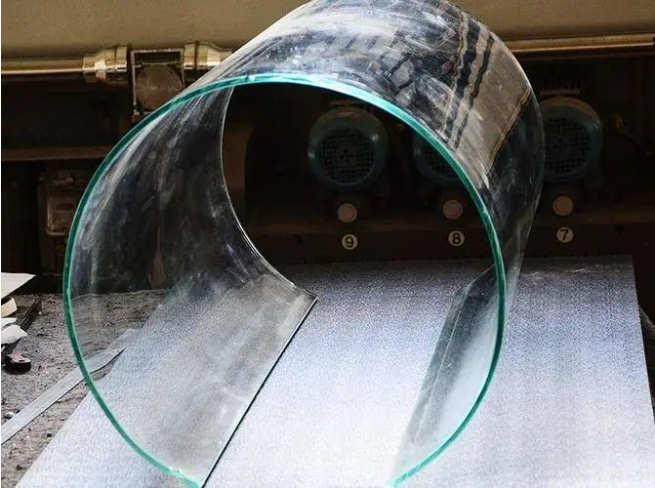
Getting the temperature just right when removing internal stress from glassware is a bit of a tightrope walk. If you’re too slow, you never actually hit that tempering point. But if you crank the heat too fast? You get a thermal shock that cracks the piece right in front of you. It’s frustrating, and it wastes a lot of material. We use shortwave infrared (IR) lamps to fix this. The reason is simple: they react almost instantly.
Why the Speed Matters
Think about old-school resistive heating elements. They hold onto heat long after you turn them down. It’s like trying to stop a freight train; it takes forever to actually slow down. IR lamps are different. They provide direct radiant energy. The second you drop the power via your controller, the heat flux just… stops. It’s like hitting a brake pedal. This lets us stop the heating process the exact moment the glass surface hits the target temp. Plus, shortwave IR sinks into the glass quickly. This means the core and the skin warm up together, so you aren’t dealing with a massive temperature gap across the glass wall.
The Hardware Side of Things
Now, high-wattage IR tubes give you the punch you need for fast cycles, but they’ll put a real strain on your electrical setup. If you’re running high-voltage arrays to get those BTUs up, make sure your wiring and contactors can actually handle the peak current. You don’t want a blown fuse in the middle of a run. There’s a trade-off here. More power means faster production, but it also means a higher risk of “hot spots” if your lamps aren’t lined up perfectly. To avoid that, we usually stagger the lamps. It just gives you much more even coverage.
Getting It Right on the Shop Floor
Wiring these into a line is the easy part. The real headache is the positioning. If the lamp is too close, you’ll overheat one spot and ruin the piece. Too far? Your cycle times start dragging. The best way to handle this is to use a closed-loop PID controller paired with an IR pyrometer. It handles the power adjustments automatically. No more guessing, no more “hoping for the best,” and way fewer shattered pieces during the ramp-up.